China Top Outdoor Toys Promote Physical Activity?

Time:2026-11-23 Author:Isabella
0%

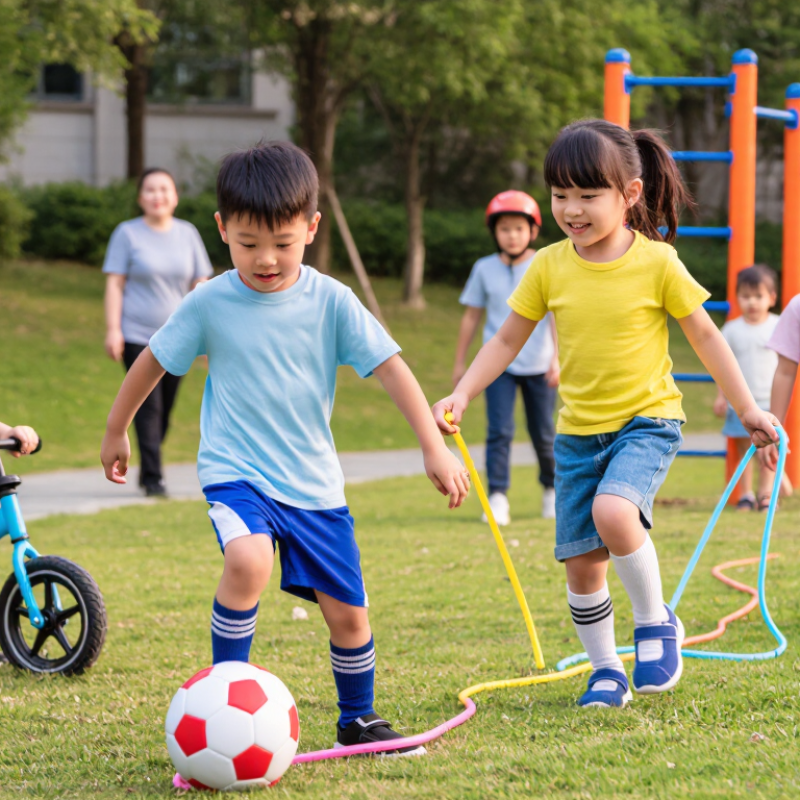
Outdoor play can turn an ordinary yard, park, or school field into a place for movement. A lightweight ball invites running and kicking. A jump rope builds rhythm, balance, and stamina through repeated hops. Scooters and balance bikes encourage children to push, steer, and coordinate their movements. These examples show how do outdoor toys encourage physical activity: they make movement part of a game, rather than a separate task. Small challenges matter.

For families exploring China’s outdoor toy market, popular choices may include balls, skipping ropes, ride-on toys, and simple climbing equipment. The best option depends on a child’s age, abilities, available space, and interest. A toy can prompt activity, but it cannot guarantee it. Children may lose interest, and too much structure can make play feel like a chore. That is worth remembering.

Practical details also matter. Check age guidance, product instructions, construction, and the condition of moving parts before play. Use suitable protective gear where appropriate, and choose a clear area with a stable surface. Adults should supervise, especially around roads, water, or climbing equipment. No single toy suits every child. This overview considers how different outdoor toys support active play, what skills they may help develop, and what caregivers can check before choosing one. The aim is useful, balanced guidance—not a promise that a toy alone will make children fitter.
China Top Outdoor Toys Promote Physical Activity?

Outdoor Play and Child Health: WHO’s 60-Minute Daily Activity Benchmark

For children aged 5–17, the World Health Organization recommends an average of at least 60 minutes of moderate-to-vigorous activity each day across the week. Much of it should be aerobic, with vigorous activity and muscle- and bone-strengthening movement included on at least three days. The benchmark is a guide, not a stopwatch target for every afternoon. A brisk chase, skipping rope, or riding a scooter can raise breathing and heart rates. Short bursts matter. A child might sprint to a ball, pause to catch their breath, then start again. That uneven rhythm is normal.

Outdoor toys can make movement inviting, but the toy itself does not deliver the health benefit. A soft ball encourages throws, runs, and turns; chalk can turn a path into a hopping course. Keep games simple, leave room to move, and adjust the challenge to the child’s age and ability. Notice whether the child is breathing faster while still able to talk, and offer water and shade in hot weather. Some days will be quieter. Rain, limited safe space, disability, or changing interests can make the 60-minute aim harder; forcing a game may backfire. Adults can join briefly, follow the child’s lead, and make room for rest. I still catch myself treating minutes as a score. They are not.

How Climbing Frames, Swings, and Trampolines Encourage Active Play

Climbing frames, swings, and trampolines turn a garden into a place to move, test balance, and build confidence. On a climbing frame, children reach for handholds, shift their weight, and plan each step. A swing invites repeated leg pushes and steady timing. Even a few minutes can add movement to an otherwise screen-heavy day. That matters, though play should still feel like play.

A trampoline encourages jumping, landing, and body awareness, but it is not a shortcut to fitness. Children need enough space, supervision, and clear rules, such as taking turns and jumping one at a time. Check equipment regularly for loose parts, worn surfaces, or unstable ground. Adult guidance helps, but hovering over every move can reduce independence. Finding that balance takes practice. Sometimes we get it wrong.

Tips: Keep play varied, offer water and shade, and choose equipment suited to a child’s size and ability. Let children choose manageable challenges, then pause if they seem tired or unsure. A safe setup matters more than a busy schedule.

WHO Guidelines: Vigorous and Bone-Strengthening Activity 3 Days Weekly

For children and teenagers aged 5–17, WHO guidance recommends an average of at least 60 minutes of moderate-to-vigorous activity each day across the week. Vigorous aerobic activity, plus activities that strengthen muscles and bones, should feature on at least three days weekly. Think running, jumping, and climbing—not just standing beside a toy.

Outdoor play equipment can make these movements easier to repeat. A skipping rope encourages quick, vigorous bursts; hopscotch adds repeated landings; climbing frames challenge muscles and coordination. A ball game in the yard may combine sprinting with jumping. During harder play, breathing should become noticeably faster. A child may still talk, but probably not sing comfortably.

Three days is a useful target, not a magic switch. A toy cannot ensure healthy activity if it stays in the shed, and adults may overestimate how much children actually move. Watch for active minutes, not just time outdoors. Choose equipment suited to the child’s age, check its condition, and use a clear play area with a suitable landing surface. Small details matter. Even then, play can be uneven: some days bring nonstop leaps, others end after five minutes. That is worth noticing, rather than pretending every session goes to plan.

Choosing Outdoor Toys by Age, Space, and ASTM Playground Safety Standards

Choosing outdoor toys by age means looking beyond the age printed on the box. A toddler may enjoy a low balance beam, while an older child needs more challenge and room to move. Check weight limits, moving parts, and whether small components could pose a choking risk. Small details matter. Age guidance is useful, but it cannot replace adult supervision.

Measure the play area before buying. Include space around swings, slides, and climbing frames, and check that the ground is stable and suitable for the toy. A narrow patio may suit a small ball set better than a tall structure. Measure twice. Then review the manufacturer’s safety information and look for references to the relevant ASTM standard for that product type. ASTM standards vary; a single label does not prove that every toy is safe in every setting. Ask for clear documentation when details are missing. Inspect joints, edges, and fasteners regularly, especially after weather changes. It is easy to overlook a loose bolt until a child leans on it. These checks take time, and they can still miss something, so keep the play space supervised and remove damaged toys.

Tracking Benefits: CDC Links Activity with Better Fitness and Bone Health

Outdoor play can turn ordinary equipment into a reason to move. Chasing a ball, climbing a ladder, or jumping over chalk lines gets children running and bearing weight. These small bursts add up. The CDC recommends regular physical activity for children and adolescents, noting benefits for fitness and bone health. Stronger bones matter during growth, though one afternoon of play will not transform health overnight.

Fitness improves through repeated movement: a child may climb, pause, then race back across the yard. That rhythm builds endurance and uses different muscle groups. Bone-loading activities, such as hopping or running, also give growing bones useful mechanical stimulation. Keep play varied and suited to the child’s age and ability. Check that equipment stands on stable ground, and leave enough room for safe landings. Still, a toy cannot do the moving. Some days, children may prefer sitting nearby, and that is worth noticing rather than forcing a game. A simple invitation, like setting up a short obstacle path, can make activity feel manageable.

FAQS

How much activity do children aged 5–17 need?

They should average at least 60 minutes of moderate-to-vigorous activity each day across the week. Vigorous aerobic activity and muscle- and bone-strengthening activities should happen at least three days weekly.

What outdoor activities can strengthen muscles and bones?

Running, jumping, climbing, and hopping all count. A skipping rope, hopscotch squares, or a climbing frame can encourage these movements.

How can I tell if play is vigorous?

The child’s breathing should become noticeably faster. They may still talk, but singing comfortably will probably be difficult.

Do outdoor toys guarantee enough activity?

No. A toy cannot help much if it stays unused in the shed. Watch active minutes, not just time spent outdoors.

How should I choose equipment for a child’s age?

Look beyond the age printed on the box. Check weight limits, moving parts, and small pieces that could pose a choking risk. Adult supervision still matters.

How much room should I leave around outdoor equipment?

Measure the play area and allow space around swings, slides, and climbing frames. A narrow patio may suit a small ball set better than a tall structure. Measure twice.

What safety details should I check?

Check that the ground is stable and suitable. Inspect joints, edges, and fasteners, especially after weather changes. Remove damaged toys and supervise play.

What should I look for in safety information?

Review the manufacturer’s guidance and ask for clear documentation about relevant safety standards. Standards vary by product. One label cannot cover every setting.

What benefits can active outdoor play support?

Regular movement can support fitness and bone health. Running, climbing, and hopping use different muscles, but one afternoon will not transform health overnight.

What if a child loses interest quickly?

Try a short obstacle path or a simple ball game, without forcing participation. Some days bring nonstop leaps; others end after five minutes. That unevenness is worth noticing.

Conclusion

Outdoor toys can turn everyday play into a natural way for children to move more. This article explores how do outdoor toys encourage physical activity: climbing frames invite children to climb and balance, swings build momentum through repeated leg and core movements, and trampolines encourage jumping. These activities can help children work toward the World Health Organization’s recommendation of at least 60 minutes of physical activity each day, while offering enjoyable ways to develop coordination and strength.

The article also considers the recommendation that children include vigorous and bone-strengthening activities at least three days a week. When choosing outdoor toys, caregivers should take children’s ages, available space, and applicable ASTM playground safety standards into account. Regular active play is associated with benefits highlighted by the CDC, including improved fitness and stronger bones. With thoughtful choices and suitable supervision, outdoor toys can support healthy movement as part of a balanced routine.

Isabella

Isabella

Isabella is a dedicated marketing professional with a sharp focus on driving brand growth and engagement through strategic content creation. With an extensive background in digital marketing, she combines her passion for storytelling with her keen understanding of industry trends to deliver......