In an age dominated by screens, ensuring children remain active is essential. Parents often wonder what outdoor activities help children stay active. Engaging in outdoor play provides numerous benefits. It helps develop physical skills, fosters social connections, and encourages a love for nature.
Outdoor activities can vary widely. Children can run, jump, and climb while exploring parks and playgrounds. Riding bikes or scooters on safe paths fosters balance and coordination. Group games like tag or soccer improve teamwork and communication. Even simple activities like gardening can engage kids physically and mentally.
Yet, it’s important to note that not every child enjoys the same activities. Finding the right fit might require some trial and error. Parents should observe their children's interests and encourage them to explore. Ultimately, promoting an active lifestyle is a continual process.
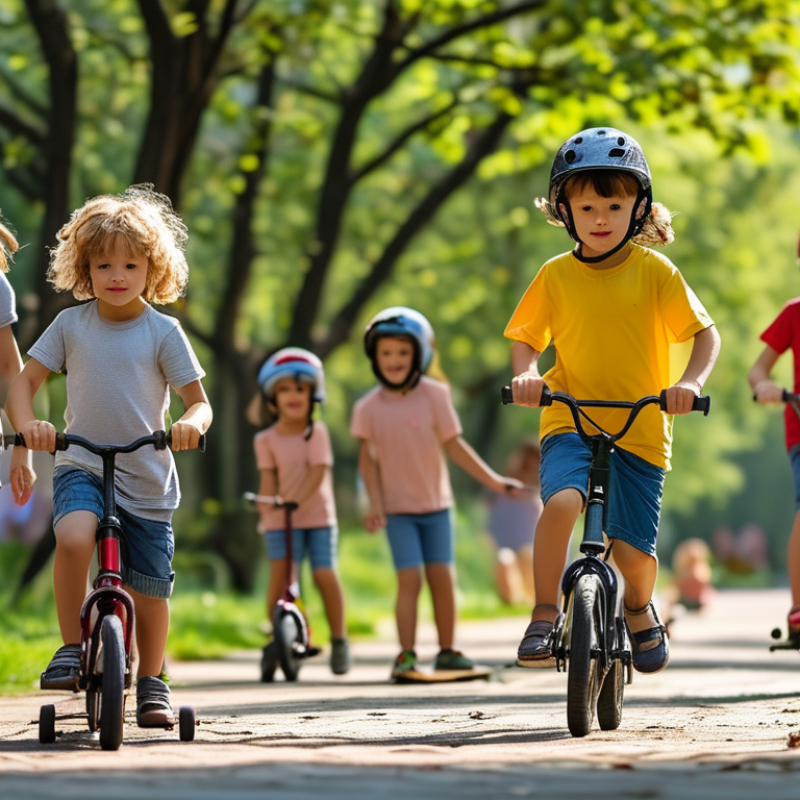
Outdoor play is essential for children's physical and mental health. It allows kids to explore their environment, build social skills, and improve their fitness. Playing outside encourages creativity and imagination. Kids can invent games, build forts, or simply enjoy nature. These activities promote emotional well-being, reducing stress and anxiety.
Staying active outdoors also helps children develop motor skills. Climbing, running, and playing sports enhance coordination and strength. However, many kids today spend too much time indoors. This shift impacts their physical health and social interactions. Parents should actively encourage outdoor playtime. Setting limits on screen time can foster a more active lifestyle.
Reflecting on outdoor activities, it's vital to recognize barriers. Some kids may feel shy or unsure about joining a game. Others might lack access to safe outdoor spaces. Addressing these challenges is crucial for promoting active play. Engaging in community activities can also create a supportive environment for all kids.
Hiking and nature walks are fantastic outdoor activities for kids. They promote physical health and mental well-being. When children explore nature, they engage with their surroundings. A simple trail can spark curiosity about plants and wildlife. Observing a butterfly landing on a flower can be a magical moment.
Choosing the right location matters. Many parks offer easy trails designed for kids. These paths are often short and safe. However, they may still challenge young explorers. It's important to encourage kids to take their time. Rushing through nature can lead to missed discoveries. Parents should join in and ask questions to foster learning.
Plan for breaks. Kids might get tired quickly. Stopping for a snack or to sit on a rock can be refreshing. Use this time for discussions. Talk about the sounds they hear or the colors they see. Sometimes, children may find it hard to focus. They might get distracted easily. These moments are normal and provide opportunities to guide them back to nature.
Engaging in playground games and sports is a fantastic way for kids to stay active. The sun shines bright, and laughter echoes in the air. Kids can play tag, kickball, or hopscotch, enhancing their physical strength and coordination. These games encourage teamwork and social skills, which are vital for personal development. With simple rules and little equipment, any playground transforms into a vibrant arena of fun.
Parents should sometimes reflect on the importance of structured play versus free play. While organized sports offer benefits, unstructured playtime also fosters creativity and imagination. Kids who run freely may discover new games and friendships. However, supervision is essential to ensure safety during these energetic activities. The thrill of competition is exciting but can lead to injuries if kids are not careful. Balancing these aspects is key for a well-rounded experience.
Playground games can sometimes seem chaotic. Kids may not always follow rules, leading to disputes. This can be a great opportunity for parents to teach conflict resolution. Creating a supportive environment reduces frustration and promotes positive interactions. Monitoring play allows parents to step in when necessary, guiding children toward fair play and enjoyment. Sunny days at the playground can truly be a learning experience for everyone involved.
| Activity | Description | Benefits | Recommended Age |
|---|---|---|---|
| Tag | A traditional game where kids run to avoid being tagged by 'it'. | Enhances speed, agility, and social skills. | 5+ |
| Hide and Seek | A game that combines hiding and searching. | Encourages problem-solving and physical coordination. | 4+ |
| Jump Rope | Jumping over a rope swung by others rhythmically. | Improves cardiovascular health and motor skills. | 5+ |
| Frisbee | Throwing and catching a flying disc. | Boosts hand-eye coordination and encourages teamwork. | 6+ |
| Soccer | A team sport where players kick a ball to score goals. | Develops teamwork, stamina, and strategic thinking. | 6+ |
| Outdoor Obstacle Course | A course set up with various physical challenges. | Enhances strength, agility, and problem-solving. | 7+ |
| Biking | Riding a bicycle for fun and exercise. | Improves leg strength and promotes cardiovascular health. | 5+ |
| Nature Scavenger Hunt | Searching for specific items in nature. | Encourages exploration and learning about the environment. | 5+ |
| Balloon Volleyball | Using a balloon as a volleyball, where kids try to keep it in the air. | Improves coordination and social interaction. | 5+ |
Water adventures offer kids a fantastic way to stay active while having fun. Swimming is not just enjoyable; it builds strength and improves coordination. During sunny days, pools and beaches become great environments for kids to explore. Splashing around also provides a natural way to cool down, which is delightful in the heat. Kids can learn to float, dive, and even take part in fun water games like tag. However, oversight is essential. Parents should stay close to ensure safety.
Beyond swimming, other water activities enhance physical fitness. Kayaking or paddleboarding can be excellent options for older kids. These activities require balance and core strength. Kids may struggle initially, but that’s part of the learning curve. They learn persistence and develop confidence through practice. Organizing small competitions or fun races can make these experiences more engaging.
While water adventures are exciting, proper preparation is vital. Sunscreen, hydration, and safe equipment should always be on hand. It's okay if kids feel nervous or scared; they can build comfort over time. Encouraging them to express their feelings about water builds trust. Water activities are not just about the physical benefits; they create cherished memories that last a lifetime.
Scavenger hunts are a fantastic way for kids to explore the outdoors creatively. Create a list of items they can find in nature. Common finds might include leaves, rocks, or even feathers. Design the hunt around a theme, like colors or shapes, to spark curiosity. As children search, they engage their observation skills and learn to appreciate the environment around them.
Incorporating nature crafts can add depth to this experience. After the hunt, encourage kids to use their found treasures to create art. They can glue leaves onto paper or make rock animals. This hands-on activity promotes creativity and helps children express themselves. It also allows for reflection on what they’ve discovered.
Encourage collaboration by having kids work in pairs. They can discuss what they find, enhancing social skills. Remind them that it's okay if they don't find everything on the list. The goal is exploration and enjoyment. Kids might learn more from a long, thoughtful discussion about their favorite find than simply ticking off boxes.
: Hiking promotes physical health and mental well-being, encouraging children to explore their surroundings.
Select safe, easy trails in parks. Short paths can challenge young explorers without overwhelming them.
Join the kids, ask questions, and encourage them to take their time to discover nature.
Kids can tire quickly. Breaks allow for snacks, discussions about nature, and a chance to refocus.
Tag, kickball, and hopscotch enhance physical strength and social skills, making playtime fun.
Both types are valuable. Allowing free play fosters creativity, while organized sports build teamwork.
Kids may not always follow rules, leading to disputes. These moments can teach conflict resolution.
They encourage observation and appreciation of nature while also enhancing creativity through craft projects.
It's okay not to find everything on their list. Enjoyment and exploration are the main goals.
Working in pairs fosters collaboration as they discuss findings and share their experiences.
Engaging in outdoor activities is essential for children's physical and mental well-being. Activities like hiking and nature walks not only encourage kids to explore their surroundings but also promote exercise and a love for nature. Playground games and sports offer a fun way for children to socialize while developing their physical skills. Additionally, swimming and other water activities provide a refreshing way to stay active during hot weather.
Organizing scavenger hunts and nature crafts can spark creative thinking and encourage teamwork. These diverse outdoor activities help children stay active while fostering a sense of adventure and creativity. Ultimately, what outdoor activities help children stay active includes a combination of exploration, play, and creativity, ensuring that kids not only enjoy the benefits of physical activity but also connect with nature and their peers.

ProActive Toys