Choosing safe outdoor toys for children is a crucial decision for parents. As safety expert Dr. Sarah Johnston states, “What makes a safe outdoor toy is a combination of materials, design, and supervision.” Parents want to ensure that their children play with toys that are not only fun but also secure.
When selecting outdoor toys, consider materials. Toys made from non-toxic and durable substances are essential. A toy that breaks easily can become a hazard. Additionally, check for sharp edges or small parts that could pose choking risks.
Design also plays a significant role. Toys should have features that promote stability. For instance, larger bases prevent tipping. Finally, supervision cannot be overlooked. Even the safest toys can cause accidents without adult oversight. Reflecting on these factors can lead to better choices in outdoor play.
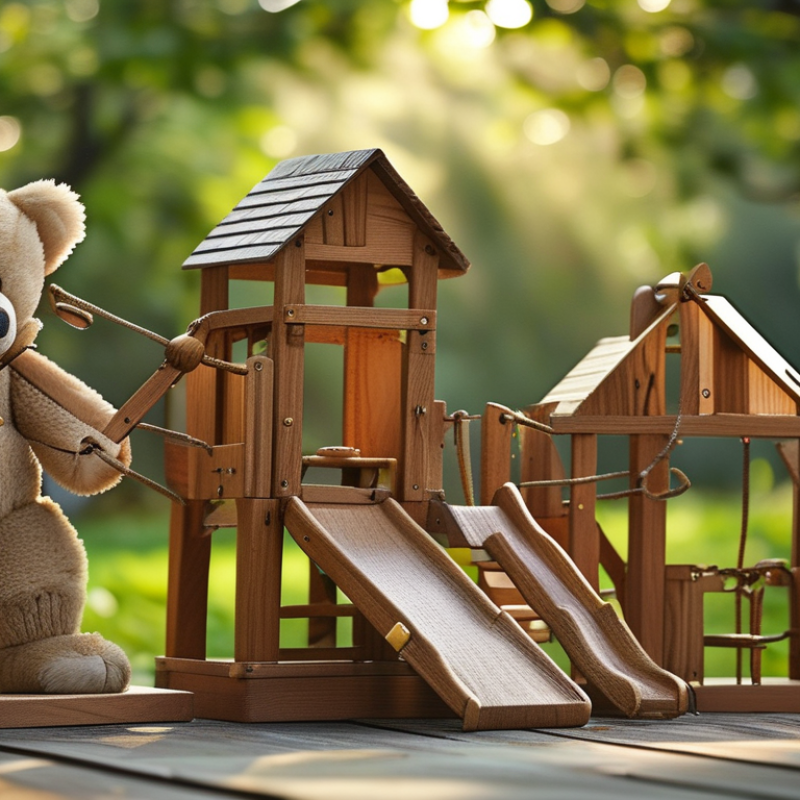
Choosing safe outdoor toys for kids involves understanding material safety standards deeply. Many parents overlook these regulations, which are vital for ensuring that toys are free from harmful substances. Manufacturers should adhere to standards set by recognized organizations. These guidelines assess materials like plastics, paints, and finishes to ensure they are non-toxic and durable.
When selecting toys, prioritize those made from natural materials. Wood and organic fabrics often present fewer risks. Look for certifications on packaging to confirm they meet safety standards. Always inspect toys for sharp edges or small parts that can pose choking hazards.
Proper maintenance of outdoor toys is crucial. Regularly check for wear and tear, as damaged toys can become unsafe. Keep an eye on the environment where the toys are used. Ensure it's free from hazards like sharp rocks or glass. By being diligent, you can provide a safe outdoor play experience.
| Tip | Description | Safety Standard Compliance | Recommended Age Group |
|---|---|---|---|
| Check Material Safety | Ensure toys are made from non-toxic materials with no harmful chemicals. | ASTM F963, EN71 | 2+ |
| Look for Age Appropriateness | Select toys suitable for the child's developmental stage to avoid choking hazards. | CPSC Guidelines | 1-5 |
| Examine the Design | Choose toys with rounded edges and no small parts that can break off. | ISO 8124 | 3+ |
| Check Weight Limit | Ensure the toy can support the appropriate weight for safety during use. | ASTM F1148 | 3-12 |
| Evaluate Maintenance and Care | Select toys that are easy to clean and maintain to ensure hygiene. | CPSC Recommended Practices | All Ages |
When selecting outdoor toys for kids, age appropriateness is crucial. Many toys cater to specific age groups, ensuring safety and engagement. According to the American Academy of Pediatrics, toys designed for younger children often lack small parts. These parts can pose choking hazards for toddlers. Look for age labels on packaging. They provide guidance on safety features and intended age ranges.
Take the time to assess the manufacturer's recommendations. Outdoor play equipment, like swings or climbing frames, should fit the child’s age and developmental stage. For example, climbing frames meant for preschoolers often have lower heights and softer materials. This design reduces the risk of falls and injuries, creating a safer play environment. A study by Safe Kids Worldwide highlights that proper age fitting can lower injury rates by over 30%.
Consider your child's interests and abilities. Even age-appropriate toys may not suit every child. Some children may need supervision or assistance while playing. Watching your child interact with new toys can reveal their comfort level. It is essential to foster an environment where kids feel secure but challenged. Selecting toys that grow with your child can enrich their outdoor experiences and promote healthy development.
When selecting safe outdoor toys for kids, understanding safety features is crucial. Labels are your first line of defense. They often indicate age appropriateness and materials. According to the American Academy of Pediatrics, toys meant for toddlers should have no small parts. This helps prevent choking hazards. Look for toys labeled as non-toxic. This means they do not contain harmful chemicals.
Certifications are another important factor. Organizations like ASTM and CPSIA provide guidelines that many reputable manufacturers follow. In a recent report, over 70% of parents indicated that they consider certifications when buying toys. This reflects a growing awareness of safety. Warnings should not be overlooked. They often highlight potential risks associated with a toy. Pay attention to these details to ensure a safe play environment.
Choosing outdoor toys is not just about fun. It involves a proactive approach to safety. Parents can’t always rely on guarantees. Sometimes, toys that seem safe may pose hidden dangers. Regular checks for wear and tear can also help. Ensuring toys remain safe is an ongoing responsibility.
This chart illustrates the importance ratings of various safety features to consider when choosing outdoor toys for children. Each feature is crucial for ensuring safety during play.
When selecting outdoor toys for kids, durability and weather resistance are key factors. Toys often face harsh conditions, from intense sunlight to pouring rain. Choosing materials that withstand these elements can save money and ensure safety. Plastic, wood, and metal can all have unique advantages. However, weather conditions can cause wear and tear over time, leading to potential hazards.
Examine the design of toys as well. A sturdy structure can prevent collapse or breakage during play. Pay attention to potential sharp edges or small parts that could become dangerous. Look for safety features like rounded edges. Kids can be rough with their toys, and designs should reflect that reality. Consider how easy it is to clean and maintain the toy. Mud and grime can accumulate quickly outdoors, and some materials may not hold up well after repeated washings.
While aesthetics matter, prioritize function. Bright colors and fun shapes attract kids, but they shouldn't replace strength. Recognize that some toys may not last through a single season of outdoor fun, leading to dissatisfaction. Seek a balance between visually appealing toys and those built to last. Reflect on the importance of these factors in your buying decision, and choose wisely for safer outdoor play.
Outdoor play is vital for kids, but safety is crucial. Supervision impacts how children engage with outdoor toys. Active supervision means being present and attentive. It helps prevent accidents and enables timely interventions. Parents should not just watch from a distance. They should actively participate when necessary.
The environment plays an equally important role in safety. Check for hazards like sharp edges, uneven surfaces, or toxic plants. Soft surfaces, like grass or sand, can reduce injury risks. Parents should regularly inspect play areas for potential dangers. An ideal space is spacious and free from clutter.
Neglecting supervision and environment can lead to injuries. Even the safest toys can be dangerous without proper oversight. A relaxed approach may seem acceptable, but it’s risky. Each play session should be considered. Creating a safe environment requires diligence and awareness. Kids thrive when safety is prioritized.
: Material safety standards ensure toys are free from harmful substances. This protection is vital for children's safety.
Prioritize toys made from natural materials. Wood and organic fabrics often present fewer risks.
Look for certifications confirming compliance with safety standards. This assures you of the toy's safety.
Regular maintenance is crucial. Check for wear and tear to prevent accidents from damaged toys.
Age-appropriate toys reduce choking hazards. They ensure safety and engagement for children.
Check age labels and manufacturer recommendations. They guide you in selecting safe toys for your child's development.
Supervise or assist your child while playing. It's essential to ensure they feel secure with their toys.
Yes, toys like climbing frames for young kids have lower heights, reducing the risk of falls and injuries.
Consider your child's interests and abilities. Not every child may feel comfortable with the same toy.
Ensure the play area is clear of hazards like sharp rocks. Regularly inspect the environment where toys are used.
When it comes to selecting outdoor toys for children, understanding what makes a safe outdoor toy is crucial. Firstly, the importance of material safety standards cannot be overstated, as these ensure that toys are free from harmful substances. Additionally, evaluating age appropriateness is essential, as different toys suit varying developmental stages. Parents should also look for safety features such as labels, certifications, and warnings that indicate a toy meets specific safety criteria.
Moreover, assessing the durability and weather resistance of outdoor toys contributes significantly to their safety; toys that can withstand the elements are less likely to break and pose risks. Finally, it’s important to recognize the impact of supervision and the environment on outdoor play safety. A safe play area can enhance the overall experience while minimizing potential hazards. By considering these factors, parents can make informed choices that prioritize their children's safety in outdoor play.

ProActive Toys