When choosing outdoor toys, parents often feel overwhelmed by options. According to Dr. Emily Carter, a child development expert, "Safety and engagement are key when selecting toys for outdoor play." What should parents consider when buying outdoor toys? This question lies at the heart of modern parenting.
Parents want toys that inspire fun while ensuring safety. Durability is crucial. Toys made from non-toxic, weather-resistant materials can withstand elements. They also provide peace of mind regarding safety. Incorporating different skills is essential, too. Toys that encourage physical activity and problem-solving can enhance children's development.
However, parents must also reflect on their children's interests and needs. A toy that excites one child might bore another. It's vital to engage children in the selection process. Ultimately, choosing outdoor toys is about finding a balance between safety, creativity, and individual preferences.
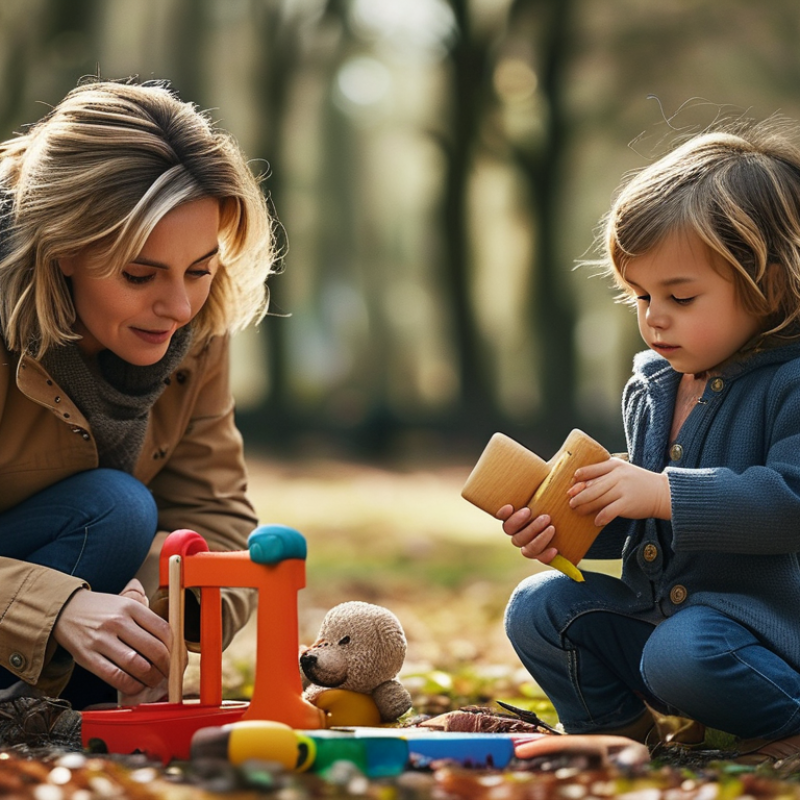
When choosing outdoor toys, safety should be a top priority for parents. Various studies indicate that more than 200,000 children are treated for toy-related injuries in the U.S. each year. This alarming statistic underscores the importance of recognizing safety standards. Toys made for outdoor use should meet established guidelines set by organizations like ASTM International, which focuses on ensuring toy safety.
Parents must check for relevant certifications. For instance, the American Society for Testing and Materials (ASTM) and the Consumer Product Safety Commission (CPSC) provide essential standards. Toys with these certifications undergo rigorous testing. Such thorough evaluations often cover choking hazards, sharp edges, and toxic materials. An estimated 90% of toys meet these safety standards, but vigilance is still necessary.
Beyond certifications, it's also vital to consider the materials used in outdoor toys. Many affordable options may not use environmental safety materials, increasing the risk. Outdoor toys should resist UV damage and be weatherproof. These features enhance durability and safety. Choosing high-quality toys can mitigate risks significantly. Still, parents must remain observant, especially as new products frequently emerge in the market. Regular review of safety certifications helps ensure ongoing safety for children.
When choosing outdoor toys, age appropriateness and skill development are crucial. Research shows that children aged 2-5 benefit from toys that enhance motor skills and creativity. For instance, climbing structures and balance toys encourage physical strength and coordination. These toys are designed to match children’s developmental stages, fostering confidence and independence.
Consider toys that challenge children without overwhelming them. For example, a toddler might enjoy a small slide, while a preschooler may thrive on a larger, more complex climbing frame. Aligning toys with their developmental needs creates a safe space for skill growth. Children often learn through play, and engaging outdoor toys can nurture essential life skills.
Tips for Parents:
Always check age recommendations. This helps ensure the toy is safe and suitable. Opt for multifunctional toys that can grow with your child. This considers future skill development and saves on costs. Remember, play is not just fun; it’s critical for child development. Consider how each toy can impact your child's growth journey.
When purchasing outdoor toys, evaluating material durability and weather resistance is crucial. Toys should withstand sun, rain, and temperature changes. Opting for materials like high-density polyethylene offers UV protection while lasting longer outdoors. Toys made of durable plastics or treated wood often resist wear and tear better.
Tips: Check the product specifications. Look for certifications indicating durability and safety standards. If a toy shows signs of wear after a short period, it may not be the right choice for your family.
Parents should also consider how toys react to different weather conditions. Some materials may crack in cold weather or fade in the sun. Conduct research on frequency of maintenance needed for various toys. This ensures enjoyment without frequent replacements, aligning with sustainability goals. It’s also wise to think twice about colors and finishes; fading can detract from the toy's appeal.
| Toy Type | Material | Durability Rating | Weather Resistance | Recommended Age |
|---|---|---|---|---|
| Swing Set | Metal, Plastic | High | Rain and UV Resistant | 3+ |
| Sand Pit | Plastic | Medium | Weatherproof | 2+ |
| Water Slide | PVC, Nylon | High | Water Resistant | 5+ |
| Outdoor Playhouse | Wood, Plastic | High | UV Protected | 3+ |
| Trampoline | Steel Frame, Fabric | Very High | Rust Resistant | 6+ |
When selecting outdoor toys, parents should focus on their play value and versatility. Many toys can promote creativity and imagination. A simple sand set, for instance, encourages children to build, mold, and explore different shapes. This type of play nurtures fine motor skills and cognitive development.
Versatility in outdoor toys means they should serve multiple purposes. A hula hoop can transform from a fitness tool to a creative hoop for games. Kids can use it for imaginative role-playing or even invent their own games. Such flexibility ensures that the toy remains engaging over time.
However, not all toys maintain their appeal. Some items quickly become boring or difficult to use. Parents should also consider space and safety. Choosing a toy that requires ample space may lead to frustration. Assessing the outdoor environment is key. Ensure there’s enough room for safe play. Parents might find it worthwhile to observe how kids interact with different types of toys before making a purchase.
When choosing outdoor toys, parents must consider storage and maintenance for longevity. Proper storage protects toys from weather damage. According to a report by the Toy Industry Association, nearly 30% of outdoor toys deteriorate faster due to improper care.
Tips: Consider a shaded area for storage. This reduces exposure to UV rays.
Cleaning is equally important, as dirt attracts pests. A simple soap and water solution can keep toys safe and inviting. The Consumer Product Safety Commission suggests that routine checks for wear can prevent injuries, ensuring that toys remain functional.
Moreover, parents should remember that the choice of materials affects maintenance needs. Wooden toys might need sealing, while plastic ones require less care. Reflecting on this can lead to better purchasing decisions in the long run. Regular maintenance not only extends a toy's life but enhances safety for children.
This chart illustrates the importance of storage and maintenance factors for various outdoor toys, showcasing their longevity ratings.
: Safety is crucial due to the high number of toy-related injuries each year.
ASTM International and CPSC establish important safety standards for outdoor toys.
Parents should look for relevant certifications that indicate rigorous testing for hazards.
High-density polyethylene and treated wood provide UV protection and greater durability.
Age recommendations ensure toys are suitable and safe for a child's developmental stage.
Toys should resist various weather conditions and should not show wear quickly.
New products emerge frequently, and regular reviews help ensure toys remain safe.
Engaging toys enhance motor skills and creativity, fostering confidence and independence.
Overlooking weather resistance can lead to quick replacements and disappointment.
They accommodate growing skill levels and save on costs over time.
When considering what should parents consider when buying outdoor toys, safety standards and certifications are paramount. Parents should ensure that the toys meet safety regulations to minimize risks of injuries. Additionally, evaluating age appropriateness is crucial, as toys should cater to the child's developmental stage while promoting skill development.
Moreover, assessing the durability of materials and their resistance to weather conditions can significantly enhance the longevity of the toys. Parents should also examine the play value and versatility of outdoor toys, ensuring that they provide diverse experiences and can adapt to various play scenarios. Finally, exploring storage solutions and maintenance requirements is essential for keeping the toys in good condition for years to come. By focusing on these aspects, parents can make informed choices that contribute to their child's outdoor play experience.

ProActive Toys