When it comes to understanding what outdoor toys help improve motor skills, experts emphasize the importance of play. Dr. Emily Carter, a child development specialist, states, “Active play is essential for fine and gross motor skill development in children.” Engaging with outdoor toys not only promotes physical strength but also enhances coordination and balance.
Outdoor play encourages children to interact with their environment. Toys like climbing structures and balance beams challenge their abilities. As children play, they develop crucial skills that assist with everyday tasks. Running, jumping, and throwing are just a few activities that foster growth.
However, not all toys are equally beneficial. Parents should choose wisely. It’s vital to consider the age and skill level of the child. Some may struggle with certain toys, leading to frustration. Finding the right balance can be tricky, but it ultimately supports healthy development. In exploring what outdoor toys help improve motor skills, focus on those that engage children in active, hands-on experiences.
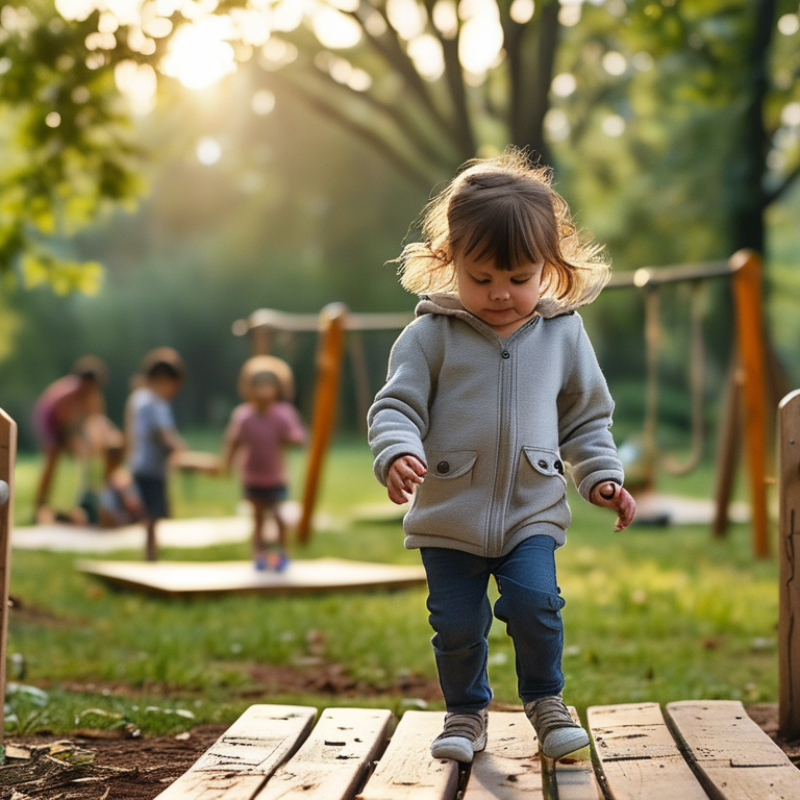
Outdoor play has significant benefits for developing motor skills in children. Engaging in physical activities like climbing, running, and throwing can improve coordination and balance. According to the American Academy of Pediatrics, outdoor play also enhances children's problem-solving abilities and social skills. A study published in the Journal of Physical Activity and Health found that children who play outside regularly develop better fine and gross motor skills compared to those who play indoors.
Children need about 60 minutes of vigorous activity daily to thrive. However, many kids fall short of this recommendation. Outdoor toys, such as balance bikes or jump ropes, can encourage movement. These toys create opportunities for parents to interact with their children and engage in physical activities together. In fact, a report from the National Institute for Play highlighted the importance of active play in reducing childhood obesity and improving overall well-being.
Yet, not all outdoor play is perfectly beneficial. Some children may feel anxious or overwhelmed during group play, affecting their participation. Moreover, there's a risk of injury during physical activities, which can discourage outdoor play. To foster motor skills effectively, caregivers should balance structured play with free exploration. Creating a supportive environment is essential for a positive outdoor experience.
Choosing outdoor toys that enhance motor skills is a thoughtful process. Various features can significantly impact a child's development. Look for toys that encourage physical movement. Swing sets and climbing structures require coordination and balance. These activities strengthen muscles and improve overall agility.
Safety is crucial when selecting these toys. Ensure that they are sturdy and age-appropriate. Many parents overlook the importance of space. Toys need room for safe exploration and play.
Larger toys can encourage group play, which is essential for social development. However, they can also overwhelm smaller outdoor areas.
Interactive elements are another key feature. Options like balls, frisbees, and kites promote hand-eye coordination. Kids learn to track moving objects and improve their reflexes. Remember that not every child will develop at the same pace. Observing their interaction with toys can reveal interests and strengths.
It's valuable to adjust activities based on their needs and capabilities. This kind of engagement creates a supportive learning environment.
Outdoor play is crucial for children's development. Engaging in physical activities helps kids develop essential motor skills. Playing outdoors allows children to explore, run, jump, and climb. This promotes strength, coordination, and balance. Each activity builds confidence and encourages a love for movement.
Choosing the right outdoor toys can make a big difference. Think about items that promote active play. Balls, jump ropes, and climbing structures encourage movement. A simple hula hoop can challenge balance and timing. When kids play together, they learn teamwork and social skills.
Outdoor play has its challenges too. Weather can be unpredictable. Not all kids feel comfortable outside. Some may shy away from competitive play. It's important for caregivers to create a supportive environment. Encourage kids to advance at their own pace. This approach fosters a lifelong love for physical activity.
When selecting outdoor toys, safety should be the top priority for parents. The Consumer Product Safety Commission (CPSC) reports that over 200,000 children are injured every year due to toy-related incidents. The risk increases with toys that do not meet safety standards. Parents should examine age recommendations and look for certifications that indicate compliance with safety regulations.
Consider the materials used in the toys. Non-toxic, durable materials reduce the risk of injury and make playtime safer. According to the American Society for Testing and Materials (ASTM), certain materials like plastic can pose choking hazards if small parts break off. Additionally, sharp edges should be avoided. Always check for labels that ensure the toy is free from harmful chemicals.
Regular inspection of outdoor toys is essential. Damage can occur over time, leading to potential hazards. A study from the National Safety Council suggests that routine checks can significantly decrease the risk of accidents. If a toy shows signs of wear, it may be time to retire it. Parents should also supervise playtime to ensure children are using toys correctly and safely. Think critically about the toys available and make informed choices for the well-being of your kids.
Maximizing playtime for skill development in children is crucial. Parents can create a rich environment by selecting outdoor toys that promote motor skills. Toys like balance bikes, jump ropes, and climbing frames can enhance coordination and strength. Engagement in physical play helps improve balance and agility. Allowing children to explore different movements keeps them active and stimulated.
It's important to observe your child's interests. Some might prefer team activities, while others enjoy solo challenges. Encourage your child to experiment with various toys. This flexibility fosters creativity and problem-solving skills. Remember that each child progresses at their own pace. Celebrate small achievements to build their confidence.
Consider setting up play dates or outdoor challenges. These activities provide social interaction and promote teamwork. However, be mindful of safety. Ensure the play area is secure and toys are age-appropriate. Reflecting on your child’s development journey is valuable. Sometimes, what works for one may not work for another. The key is to remain patient and supportive throughout their play experiences.
| Toy Name | Type | Skills Developed | Recommended Age |
|---|---|---|---|
| Balance Bike | Ride-On | Balance, Coordination | 2-5 years |
| Jump Rope | Fitness | Coordination, Agility | 4+ years |
| Frisbee | Throwing Game | Hand-Eye Coordination, Teamwork | 5+ years |
| Kites | Flying Toy | Coordination, Motor Planning | 3+ years |
| Soccer Ball | Team Sport | Kicking, Teamwork, Coordination | 5+ years |
| Water Balloons | Outdoor Game | Throwing, Agility | 4+ years |
| Hula Hoop | Fitness Toy | Balance, Coordination | 3+ years |
| Obstacle Course Set | Physical Activity | Agility, Coordination, Problem-Solving | 5+ years |
| Bubbles | Outdoor Play | Fine Motor Skills, Hand-Eye Coordination | 2+ years |
| Sand Toys | Creative Play | Creativity, Fine Motor Skills | 2+ years |
: Outdoor play helps children develop essential motor skills and promotes strength, coordination, and balance.
Items like balls, jump ropes, and climbing structures promote movement and physical activity in children.
When kids play together, they learn teamwork and develop important social interactions.
Weather can be unpredictable, and some kids may feel shy or uncomfortable playing outside.
Safety is the top priority. Consider age recommendations and look for safety certifications.
Non-toxic and durable materials minimize injury risks. Avoid toys with small parts or sharp edges.
Regular inspections are essential. Check for wear and tear to reduce potential hazards associated with damaged toys.
Retire the toy if it shows signs of wear to prevent accidents and ensure safety.
Create a supportive environment and encourage kids to play at their own pace to build confidence.
Supervise playtime to ensure children are using toys correctly and safely during outdoor activities.
Outdoor play is essential for children as it significantly contributes to the development of motor skills. Engaging in physical activities enhances coordination, balance, and strength, fostering overall growth. To effectively support these developmental milestones, it’s important to choose outdoor toys that specifically promote physical activity. When selecting toys, consider essential features such as durability, safety, and versatility, which ensure that children can play freely and safely.
Some of the top outdoor toys that help improve motor skills include climbing structures, balance beams, and interactive games that encourage movement and coordination. Additionally, it is crucial to adhere to safety considerations, ensuring that the play environment is secure. To maximize playtime for skill development, parents can introduce structured activities and encourage group play, allowing children to learn through social interaction. By investing in the right outdoor toys, parents can create a dynamic and beneficial play experience that supports their child's motor skills development.

ProActive Toys