Outdoor toys play a critical role in children's development. Dr. Emily Johnson, a child development specialist, emphasizes this importance: "Outdoor play is vital for a child's growth." Research highlights that playing outside contributes to physical health, enhances social skills, and fosters creativity.
When children engage with outdoor toys, they build important life skills. Climbing, running, and exploring encourage physical fitness. These activities also help in developing coordination and balance. Children learn to cooperate and communicate while playing together. The benefits extend beyond mere fun; they form the foundation for teamwork and problem-solving.
However, not all kids have regular access to outdoor spaces or toys. This can create disparities in growth opportunities. Reflecting on this, it's crucial for parents to prioritize outdoor play. Consider the vast potential of outdoor toys in nurturing a child's development. Recognizing "why are outdoor toys important for kids" helps us provide better experiences and foster healthier, happier children.
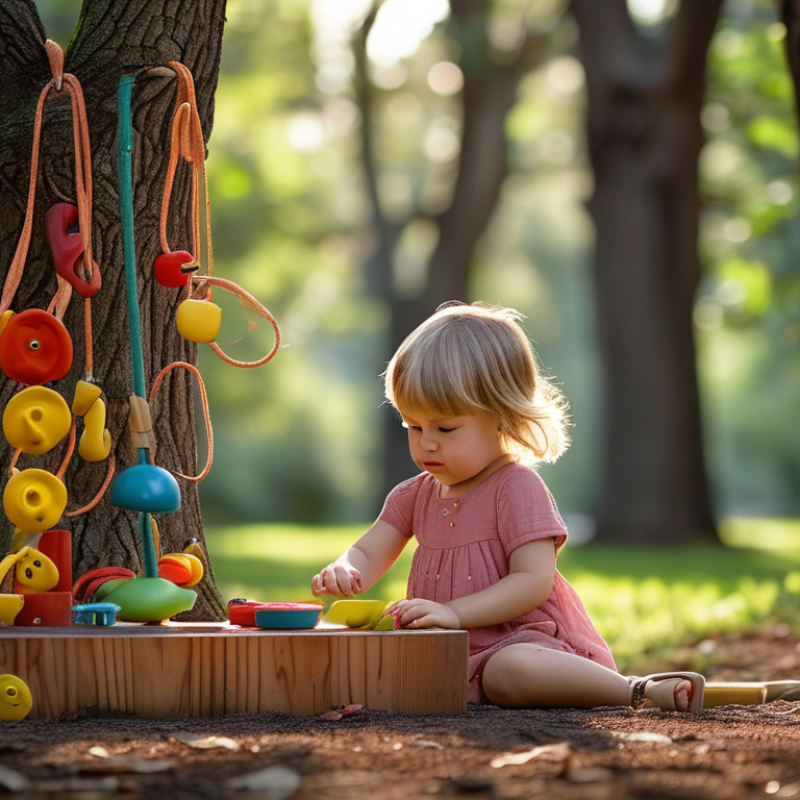
Benefits of Outdoor Play for Children's Physical Health and Growth
Outdoor play is crucial for children's physical health and growth. It encourages active lifestyles, which helps improve cardiovascular fitness. Running, jumping, and climbing build strength and endurance. Exposure to sunlight also boosts vitamin D levels, essential for healthy bones. Moreover, engaging with various terrains enhances coordination and balance, vital skills for developing motor control.
While outdoor toys can significantly aid in physical development, not all toys are created equal. Parents can thoughtfully select equipment that encourages movement and creativity. Items like bikes, balls, or climbing structures can inspire kids to be active. Be mindful, though. Sometimes, outdoor play can lead to minor injuries. Ensure safety gear is used and supervise children during playtime.
Remember to include downtime during outdoor activities. Children need moments to catch their breath and hydrate. Variety is key; mixing structured play with unstructured exploration allows children to adapt and learn on their terms. Outdoor play is not just about exercise; it's a way to foster imagination and social skills. Kids learn to cooperate and negotiate while engaging with peers.
The Role of Outdoor Toys in Enhancing Cognitive Development in Kids
Outdoor toys play a vital role in children's cognitive development. These toys encourage kids to explore their environment. When children interact with outdoor toys, they engage their senses. They feel the textures of different materials. They also learn about balance and coordination while climbing or jumping.
Outdoor play fosters creativity. Children invent games and create stories during playtime. This imaginative play enhances their problem-solving skills. They learn to work together, negotiate rules, and resolve conflicts. These experiences build social intelligence.
Despite the clear benefits, some parents worry about safety. It’s crucial to choose age-appropriate toys. Supervision is also essential to prevent accidents. Reflecting on these aspects helps parents make informed decisions. Finding a balance between freedom and safety can be challenging. The right outdoor toys provide kids with invaluable developmental opportunities.
Social Skills Development Through Cooperative Play with Outdoor Equipment
Outdoor play is vital for children's growth and social skills. Cooperative play with outdoor toys boosts teamwork, communication, and problem-solving abilities. According to the American Academy of Pediatrics, children engaged in social play show increased adaptability in social situations.
When kids play together, they learn to share and negotiate. They develop empathy, understanding others' feelings. A report by the National Recreation and Park Association highlights that children who engage in unstructured play demonstrate stronger social competence. Outdoor toys facilitate this interaction, allowing children to explore various roles and scenarios.
However, not all outdoor play is positive. Some kids may struggle with conflict resolution. They may find it hard to team up with others. It’s crucial for caregivers to guide these interactions. Creating a safe environment encourages exploration and learning through play. Collaboration is not automatic; children need support to navigate their emotions and reactions while playing outside.
Impact of Outdoor Toys on Emotional Well-Being and Stress Reduction
Outdoor toys play a vital role in enhancing children's emotional well-being. Engaging with toys outside allows kids to explore and interact with their environment. This fosters creativity and imagination, which are crucial for healthy development. Playing in the fresh air can significantly reduce stress levels in children. They often feel more relaxed and happier during outdoor play.
Studies have shown that outdoor toys encourage physical activity, which releases endorphins. These hormones are linked to better mood and overall mental health. Kids who spend time outside tend to experience lower anxiety levels. For instance, simple activities like climbing, running, or playing with balls can boost confidence. Yet, some kids may feel overwhelmed by outdoor environments. They might resist participating at first. It's essential for caregivers to observe these reactions and encourage gradual exploration.
Interaction with peers is another benefit of outdoor play. Kids learn to navigate social situations, improving communication skills. However, conflicts may arise during games, leading to frustration. These moments provide teaching opportunities about conflict resolution. Consequently, while outdoor toys are crucial for development, the experiences around them can sometimes be challenging. This complexity is an important aspect of growing up.
Statistics on Outdoor Playtime and Its Correlation with Academic Success
Outdoor play is crucial for children’s development, providing numerous benefits that extend beyond physical health. According to recent studies, children who engage in outdoor activities tend to perform better academically. For instance, statistics reveal that kids who play outside regularly score higher on standardized tests. The correlation between outdoor play and improved focus in the classroom is particularly noteworthy.
Moreover, time spent outdoors fosters creativity. When kids explore nature, they engage their imaginations. They navigate obstacles, build structures, and invent games. These activities not only enhance critical thinking but also improve social skills. However, despite its importance, many children spend less time outdoors today. Screens often replace the playground. This shift raises concerns about their overall development.
It's essential to recognize the gap in outdoor playtime. Parents may find it difficult to balance structured activities with free play. While academic pressures grow, children might miss out on valuable outdoor experiences. Addressing this imbalance is vital. Encouraging outdoor play can lead to happier, healthier, and more successful children.
FAQS
: Outdoor toys encourage exploration and sensory interaction. Kids learn about textures, balance, and coordination while playing.
Imaginative play boosts problem-solving, creativity, and social intelligence. Kids negotiate rules and resolve conflicts with peers.
Safety is crucial since injuries can occur. Choosing age-appropriate toys and supervising playtime can help prevent accidents.
Cooperative play encourages teamwork, communication, and empathy. Kids learn to share, negotiate, and adapt to social situations.
Caregivers must guide interactions. Creating a safe environment supports children in navigating emotions and resolving conflicts.
Yes, studies show kids who play outside score higher on tests. Outdoor play enhances focus and encourages creativity in learning.
Screen time often replaces outdoor activities. This shift can negatively impact children's overall development and social skills.
Finding a balance between structured activities and free play is essential. Encourage exploration to promote happiness and development.
Outdoor play facilitates unstructured interactions, helping kids develop stronger social skills and adaptability.
Academic pressures can limit free playtime. Parents need to recognize this gap and prioritize outdoor experiences for their kids.
Conclusion
Outdoor toys play a crucial role in children's development, which raises the question: why are outdoor toys important for kids? Engaging in outdoor play fosters physical health and growth, as children benefit from increased activity levels that enhance their motor skills and overall fitness. Additionally, the use of outdoor toys encourages cognitive development by stimulating creativity and problem-solving abilities during unstructured playtime.
Moreover, outdoor play promotes social skills development through cooperative activities and team-based games, helping kids learn communication, sharing, and teamwork. This collective engagement also contributes to emotional well-being, providing a natural outlet for stress reduction and improving mood. Overall, statistics indicate a positive correlation between outdoor playtime and academic success, highlighting the multifaceted benefits that outdoor toys provide for children's holistic growth and development.

 ProActive Toys