Outdoor play is essential for children's development. It encourages creativity, physical health, and social skills. One important aspect is teamwork. Experts often discuss the roles outdoor toys play in enhancing these skills. Dr. Linda Martinez, a child development specialist, emphasizes this point: "Outdoor toys create a natural environment for children to collaborate and learn from each other."
Research shows that outdoor toys promote teamwork skills by encouraging group play and communication. For example, toys like large building blocks or team sports gear require sharing and cooperative strategies. Children learn to negotiate roles and solve problems together, which can lead to improved social interactions.
However, not all playtime is effective. Children may struggle with conflict or frustration when working in teams. It's crucial for caregivers to guide them through these challenges. By reflecting on experiences, children can recognize the value of cooperation. Ultimately, understanding how do outdoor toys promote teamwork skills is vital for nurturing well-rounded individuals.
Understanding the Role of Outdoor Toys in Child Development
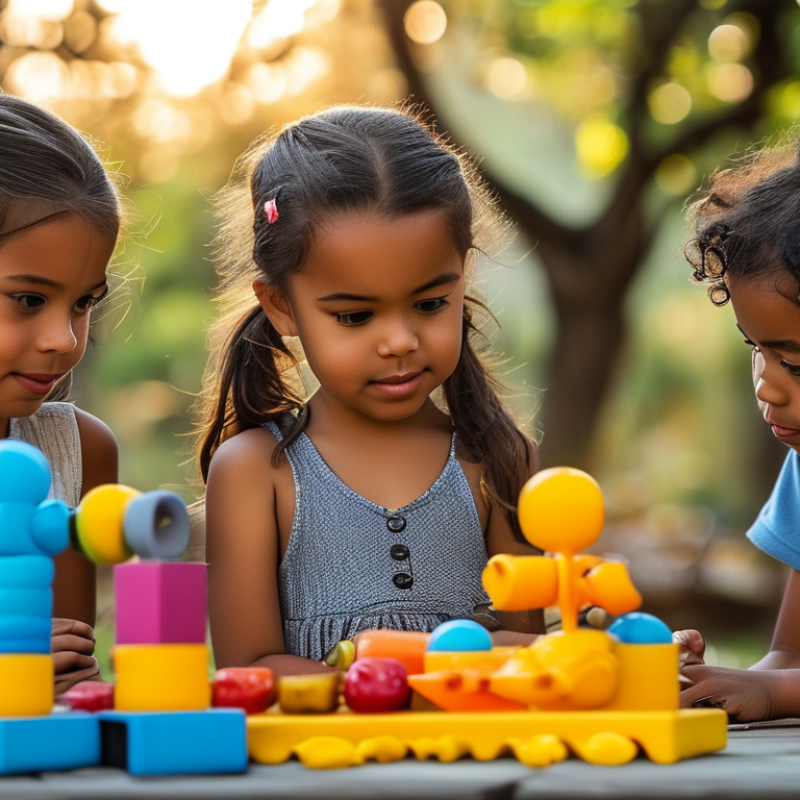
Outdoor toys play a vital role in child development, particularly in enhancing teamwork skills. These toys encourage children to engage and collaborate in various activities. For instance, a group of kids might build a fort using large blocks. This task requires communication and negotiation, leading to shared decisions. Each child learns to express their ideas and listen to others, crucial components for effective teamwork.
Playing together outdoors also fosters problem-solving. Imagine children trying to navigate an obstacle course. They must work together to find the best paths and support each other along the way. In such scenarios, they face challenges that promote critical thinking and adaptability. Children discover the importance of compromise and patience, skills that are essential not only in play but also in future social interactions.
Moreover, there can be moments of conflict. Disagreements might arise over rules or roles, providing an opportunity for children to navigate these issues. Learning to resolve conflicts constructively is part of teamwork. These experiences teach vital lessons about respect, empathy, and accountability. Outdoor play is not always perfect, and these imperfections often lead to valuable insights and growth.
Types of Outdoor Toys That Promote Teamwork Skills
Outdoor toys serve as effective tools for fostering teamwork skills in children. Cooperative activities engage young minds and bodies, teaching them to work together. For instance, large group games such as tug-of-war or relay races require communication and collaboration. According to a report from the American Academy of Pediatrics, outdoor play significantly boosts social interaction in children. In teams, kids learn to strategize, listen, and compromise, which are essential teamwork skills for future endeavors.
Additionally, building toys like large blocks or modular climbing structures encourage children to collaborate creatively. As they construct structures, they must share ideas and responsibilities. Research from the National Association for the Education of Young Children indicates that group play enhances problem-solving abilities. Children learn to give feedback and adjust plans based on collective input. These interactions, although sometimes messy, are necessary for personal growth. Not every attempt results in success, but these failures teach resilience and adaptability.
Outdoor sports equipment, such as balls or Frisbees, also promotes teamwork. Games require players to anticipate each other's movements and work towards a common goal. However, some children may struggle to communicate openly. Encouraging dialogue about feelings and strategies can be challenging. Yet, navigating these social dynamics is part of the learning process. Overall, outdoor toys can profoundly impact children’s teamwork skills, paving the way for effective collaboration in varied aspects of life.
How do Outdoor Toys Enhance Teamwork Skills in Children? - Types of Outdoor Toys That Promote Teamwork Skills
| Type of Outdoor Toy |
Age Group |
Teamwork Skill Developed |
Example Activities |
| Tug of War |
6-12 years |
Cooperation |
Team strategy meeting, pulling together |
| Obstacle Course |
5-10 years |
Problem Solving |
Navigating course as a team |
| Group Ball Games |
7-14 years |
Communication |
Passing strategies and plays |
| Building Kits |
8-12 years |
Collaboration |
Designing and constructing together |
| Launch Games |
6-10 years |
Team Planning |
Coordinating launches and targets |
The Psychological Benefits of Cooperative Play with Outdoor Toys
Outdoor toys play a crucial role in enhancing teamwork skills among children. Cooperative play encourages kids to engage in shared activities, fostering communication and collaboration. Research indicates that children involved in group play are more likely to develop social skills, with 85% of educators emphasizing the importance of team-oriented learning experiences.
When kids work together, they learn empathy and patience. Playing outside helps them to navigate conflicts. A study by the American Academy of Pediatrics found that children who participate in outdoor activities demonstrate higher levels of problem-solving skills and emotional resilience. This supports their overall psychological development.
Tips: Encourage kids to take on different roles during playtime. Rotating leadership can provide diverse experiences. Make sure to select toys that require teamwork, such as large building sets or ball games. This promotes inclusive play, allowing every child to contribute. Reflection is important. Ask the kids what they enjoyed or found challenging during the activity. This can deepen their understanding of teamwork skills and improve future interactions.
Strategies for Parents to Encourage Teamwork through Outdoor Activities
Outdoor activities provide a perfect platform for children to develop teamwork skills. Engaging with others in these settings can foster communication and collaboration. Parents can play a crucial role in guiding their children to embrace teamwork.
Encourage playtime with structured group games. Games like capture the flag or relay races require cooperation. Children learn to strategize together. They must listen to each other’s ideas. This can lead to disagreements, which offer teachable moments. Discussing how to resolve these conflicts reinforces problem-solving skills.
When planning outings, consider inviting friends. Larger groups can mimic real-world team dynamics. Each child can take on different roles. Some might lead, while others follow. This diversity helps them understand various perspectives. For mixed-age groups, mentoring naturally occurs, enriching everyone’s experience.
Tips:
- Set clear expectations before activities.
- Allow children to express their frustrations.
- Celebrate teamwork successes, regardless of the outcome.
How Outdoor Toys Enhance Teamwork Skills in Children
Measuring the Impact of Outdoor Play on Social Skills in Children
Outdoor play offers children a unique chance to develop vital social skills. When children engage in group activities, they learn to communicate effectively. For instance, playing tag requires quick decisions and constant interaction. These scenarios teach kids how to express themselves clearly and listen to others.
Moreover, outdoor toys like climbing structures or team-based games foster collaboration. Children must work together to achieve a common goal. This teamwork can also spark discussions about roles and responsibilities. Sometimes, disagreements arise during play. Such moments become learning experiences, where children can practice conflict resolution.
Observing children during outdoor play reveals much about their social dynamics. Some children may dominate while others hesitate to participate. This imbalance invites reflection on how to encourage inclusion. Parents and caregivers should facilitate discussions around these situations, helping children recognize the value of teamwork and empathy.
FAQS
: Outdoor toys enhance teamwork skills and encourage collaboration among children.
Children navigate challenges together, requiring critical thinking and adaptability during play.
Kids learn empathy, patience, and conflict resolution, essential for effective teamwork.
Yes, conflicts over rules or roles can arise, providing growth opportunities for children.
Parents can rotate roles and select toys that promote collaboration, like building sets.
Many educators emphasize its importance, noting that it supports social skill development in children.
Discussing what children enjoyed or found challenging reinforces their understanding and improves future interactions.
No, imperfections often lead to valuable insights and learning moments for children.
Engaging in group outdoor activities helps children develop stronger emotional coping skills.
Yes, selecting teamwork-oriented toys ensures inclusive play and allows every child to contribute.
Conclusion
Outdoor toys play a significant role in child development, particularly in enhancing teamwork skills. By engaging in cooperative play with outdoor toys, children learn to communicate, share responsibilities, and collaborate towards common goals, which fosters their social skills. Various types of outdoor toys, such as team sports equipment and building sets, are designed to encourage collaboration, helping children understand the importance of working together.
To maximize the benefits of outdoor play, parents can implement strategies that promote teamwork, such as organizing group activities and encouraging children to devise their own games. Research indicates that such interactive play significantly improves social skills in children, demonstrating that outdoor toys are not just for individual play but are essential tools for teaching children how to work as a team. Ultimately, understanding how outdoor toys promote teamwork skills can lead to a more harmonious approach to child development.

 ProActive Toys