Outdoor play is essential for children's growth. According to the American Academy of Pediatrics, about 70% of children indulge in unstructured outdoor play. This type of play fosters creativity, independence, and crucially, social skills. The question arises: how do outdoor toys support social development?
Toys like slides, swings, and interactive games encourage children to engage with peers. These interactions build cooperation, negotiation skills, and conflict resolution. Studies show that outdoor play reduces isolation and enhances peer relationships. Children learn to share, take turns, and work together towards a common goal. This occurs naturally during play, often without adult intervention.
Moreover, outdoor toys often have a variety of functions, which could lead to complex play scenarios. However, there is a need to ensure that all children have access to these resources. In underserved communities, limited access to outdoor toys can hinder social skill development. Reflection on this gap is crucial for fostering inclusive play environments that truly support every child's social growth.
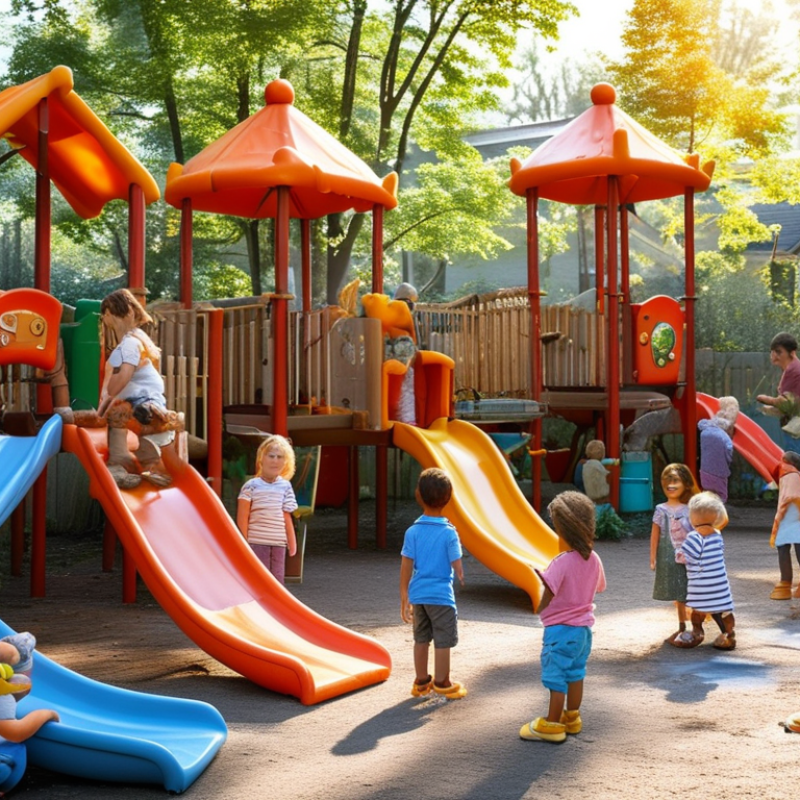
The Role of Outdoor Play in Child Development
Outdoor play is vital for child development. It provides a space for social interaction, creativity, and physical activity. According to the American Academy of Pediatrics, outdoor play can improve skills like teamwork and conflict resolution. These skills are essential for building healthy relationships later in life.
Children involved in outdoor activities tend to engage in cooperative play. They learn to share and negotiate rules. Research shows that 68% of parents notice improved social skills in their children after regular outdoor play sessions. It’s not just about fun; it’s about finding common ground and learning empathy.
Tips: Encourage unstructured playtime. Allow your child to explore and interact freely with peers. This will nurture their communication abilities. Limit screen time to promote outdoor activities. A balance is critical; too much screen time can hinder social skills.
Sometimes, children may encounter conflicts. This is a natural part of learning. Reflect on these moments together. Discuss feelings and possible solutions. Use these challenges to teach resilience and problem-solving. Embracing imperfections in social interactions can also enhance a child's ability to adapt and connect with others effectively.
How Do Outdoor Toys Enhance Social Skills in Children? - The Role of Outdoor Play in Child Development
| Outdoor Toy |
Social Skill Enhanced |
Age Range |
Play Type |
| Climbing Frames |
Teamwork and Communication |
3-10 years |
Physical Play |
| Sand Pits |
Sharing and Cooperation |
2-7 years |
Creative Play |
| Bicycles |
Negotiation and Turn-Taking |
4-12 years |
Active Play |
| Jump Ropes |
Friendship and Support |
5-10 years |
Group Play |
| Water Slides |
Building Trust |
3-8 years |
Playful Interaction |
Types of Outdoor Toys That Promote Social Interaction
Outdoor toys play a vital role in enhancing the social skills of children. Engaging in outdoor play allows children to interact in a natural setting. Popular toys like swings, slides, and sports equipment encourage teamwork and cooperation. According to a study by the American Academy of Pediatrics, outdoor play promotes social interaction and helps prevent social anxiety among children.
Types of outdoor toys that foster social engagement include group games like soccer balls and frisbees. These toys require kids to communicate and strategize together. Research shows that children who engage in cooperative play develop better communication skills. Climbing structures and sandbox toys also create opportunities for kids to work together, fostering friendships in the process.
Tip: To encourage social skills, create playdates with diverse toy options. Allowing children to experiment with different toys can boost their confidence and adaptability.
Remember, not every play encounter will be perfect. Conflicts may arise during play, and that’s okay! These situations teach children valuable conflict-resolution skills. Embrace those imperfect moments—they’re crucial for growth.
How Cooperative Play with Outdoor Toys Builds Teamwork Skills
Outdoor play is essential for children's development. Engaging with outdoor toys, like balls and bikes, encourages cooperative play. This playtime fosters teamwork skills and strengthens friendships. According to a study by the American Academy of Pediatrics, children who frequently play outside develop better social interactions.
Cooperative play requires communication, negotiation, and shared problem-solving among children. These interactions teach kids how to express their feelings and resolve conflicts. A 2021 report from the National Association for the Education of Young Children highlights that children who engage in collaborative activities demonstrate increased empathy and better conflict resolution skills.
Tips for enhancing teamwork through play include setting up group activities, like relay races or group games. Encourage children to share ideas about how to play together. Providing varied outdoor toys can also promote creativity and adaptability in team settings. Remember, reflecting on each play session can help children understand their experiences and learn from them.
The Impact of Outdoor Play on Communication Skills in Children
Outdoor play significantly impacts children's communication skills. When children engage with outdoor toys, they naturally interact with peers. This interaction fosters conversation and sparks ideas. For instance, a group of kids playing with a soccer ball will negotiate rules and roles. This dialogue enhances their verbal skills, as they learn to express themselves clearly.
Physical play also encourages non-verbal communication. A shared glider or climbing frame requires gestures and facial expressions. Children learn to read these cues, making their interactions richer. Sometimes, kids may struggle to express their feelings or resolve conflicts. These moments present valuable learning opportunities. They can reflect on their emotions and find ways to articulate them.
Furthermore, outdoor environments promote diverse social interactions. Children from different backgrounds play together, broadening their perspectives. They learn the nuances of effective communication in varied contexts. While challenges exist, such as shyness or misunderstandings, they are essential for growth. Each experience contributes to their development, shaping their ability to connect with others in meaningful ways.
Encouraging Emotional Intelligence Through Outdoor Toy Play
Outdoor play is a valuable experience for children, fostering emotional intelligence alongside physical activity. When children engage in group games with outdoor toys, they learn to navigate their feelings and those of others. For instance, sharing a toy or taking turns requires patience and empathy. These moments provide children with opportunities to express disappointment or joy, enhancing their emotional awareness.
Playing outdoors also encourages children to solve problems together. Imagine a group of kids building a fort with blocks. They must negotiate ideas and listen to each other. Conflicts may arise, leading to moments of frustration. Yet, these challenges develop their ability to communicate effectively and manage emotions. Reflecting on these experiences helps children understand their feelings better and fosters resilience.
Outdoor toys can spark creativity, too. A simple ball can become a tool for teamwork or a target for individual goals. Each play session offers lessons in cooperation, understanding, and emotional growth. Children might stumble at times, learn from arguments, or face setbacks. These imperfect moments are essential for building emotional intelligence as kids learn to process and reflect on their feelings and relationships.
FAQS
: Outdoor play helps develop social skills, creativity, and physical activity. It’s essential for building healthy relationships.
Children engage in cooperative play and learn to share. Regular outdoor play can improve skills like teamwork and conflict resolution.
Unstructured playtime is crucial. Allow children to explore freely and limit screen time to enhance their outdoor experiences.
Conflicts are natural as children learn. Reflecting on these moments can help teach resilience and problem-solving skills.
Children navigate feelings through sharing and taking turns. This promotes empathy and enhances their emotional awareness.
Yes. Simple toys can spark teamwork or individual goals. Each session teaches cooperation and emotional growth through shared experiences.
Frustration and arguments may happen. These moments are opportunities for children to learn about emotions and relationships.
Discuss feelings and solutions after play. Reflecting helps children understand and manage their emotions better.
Reflection helps children learn from mistakes. It encourages them to adapt and enhances their communication skills.
No, imperfections are part of learning. Embracing these moments can significantly enhance a child's ability to connect socially.
Conclusion
Outdoor toys play a crucial role in enhancing social skills in children by providing opportunities for interactive play. Through various forms of outdoor play, children engage with their peers, which helps them develop essential social skills such as cooperation, communication, and teamwork. Different types of outdoor toys, such as sports equipment and collaborative games, encourage children to work together, fostering an environment where cooperative play thrives.
In addition, outdoor toys significantly impact children's emotional intelligence. As they navigate social interactions while playing, children learn to express their feelings, understand others' perspectives, and build strong relationships. Overall, understanding how do outdoor toys support social development reveals their importance in nurturing vital skills that contribute to a child's holistic growth and well-being.

 ProActive Toys