Outdoor play is crucial for children's overall development. Recent studies, including the American Academy of Pediatrics' findings, reveal significant benefits of outdoor toys. These toys foster physical, social, and cognitive skills in children. Evidence shows that playtime outdoors contributes to healthier lifestyles and improved focus in school settings.
So, how do outdoor toys benefit child development? They encourage active play, which enhances motor skills. Climbing, running, and jumping help strengthen bones and muscles. Additionally, outdoor play promotes creativity and imagination. Children build forts, engage in pretend play, and explore nature, all of which stimulate cognitive growth.
Moreover, outdoor toys facilitate social interactions. Children learn essential skills like sharing and teamwork. However, not all toys provide the same level of benefit. It’s crucial for caregivers to choose safe and developmentally appropriate options. This creates a foundation for lifelong learning and well-being. Engaging with outdoor toys not only enhances physical health but also nurtures emotional resilience, a vital aspect of child development.
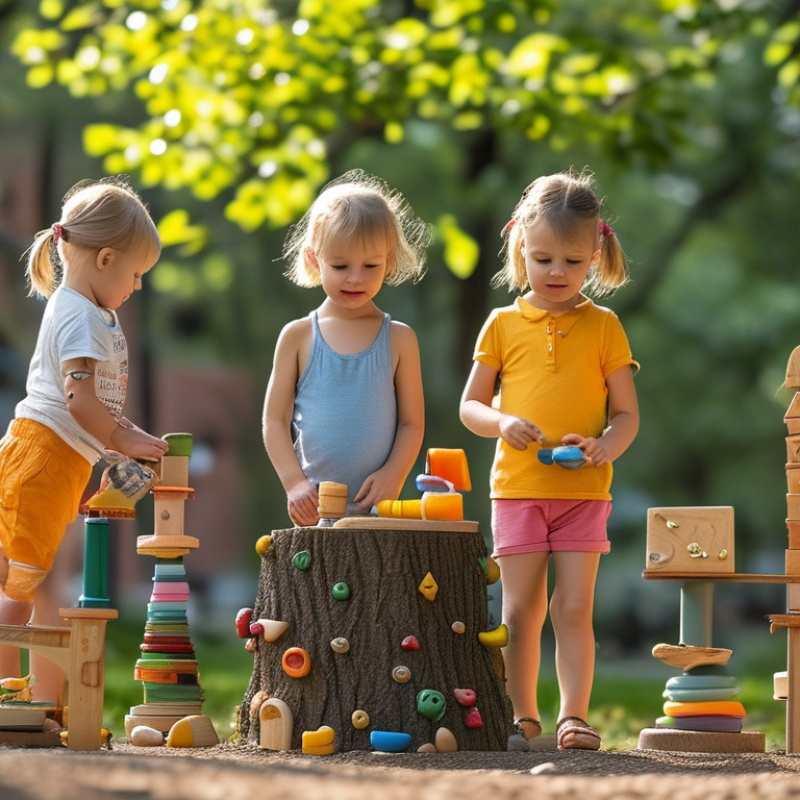
Outdoor toys play a vital role in promoting physical development in children. Activities like climbing, running, and jumping encourage children to use their muscles and improve coordination. As they navigate their environment, kids develop balance and strength. For instance, a simple play structure can inspire children to explore heights safely. The thrill of climbing a slide fosters bravery and risk assessment skills.
Playing outdoors offers a chance to connect with nature. Children gain sensory experiences that enhance their understanding of the world. Dirt, grass, and water create a rich environment for discovery. Yet, not all children feel comfortable outdoors. Some may be hesitant to engage, which can limit their physical growth opportunities. This reflects the need for inclusive play spaces that invite all children to explore.
Outdoor play also promotes social skills. Group activities encourage teamwork and communication. Sharing toys and taking turns become essential lessons in cooperation. However, conflicts can arise during play. Navigating these challenges can teach children problem-solving skills. It’s important for caregivers to support children in these moments, guiding them through disagreements and fostering resilience.
Outdoor play is vital for children's development. Interactive toys encourage hands-on exploration, which boosts cognitive skills. When children engage with these toys, they learn through play. They grasp concepts such as cause and effect in a fun and exciting way. For instance, building blocks teach spatial awareness and problem-solving.
Moreover, outdoor environments present unique challenges. Climbing structures encourage risk assessment, while sandboxes invite creativity. Children experiment with different materials and their properties, fostering scientific thinking. This active engagement promotes critical thinking skills, as they devise ways to overcome obstacles. However, not all interactions are positive. Sometimes, children may struggle or feel frustration. These moments are crucial learning opportunities.
Social skills also develop as children play together outside. They negotiate rules, share toys, and resolve conflicts. Such interactions enhance communication abilities and emotional intelligence. Watching peers can inspire new strategies and ideas. Mistakes made during play lead to reflection and improvement. Thus, these experiences are essential for their overall growth. Outdoor toys serve as a bridge, connecting physical activity with intellectual development.
Outdoor toys play a significant role in enhancing children's social skills. When kids engage in group activities, they learn essential skills like cooperation and communication. For instance, games with multiple roles require children to negotiate and work together. This interaction helps them develop empathy and understanding of others’ feelings.
Tips: Encourage kids to share toys during playtime. This practice teaches them valuable lessons about generosity. Setting up small teams can also promote teamwork, as children learn to rely on one another to achieve common goals.
Outdoor activities often present challenges. Working through these challenges can lead to frustration. It's important for children to find coping strategies. They might struggle with sharing or taking turns. These moments of difficulty provide opportunities for personal growth. They can learn patience and resilience. Observing children face these hurdles can be a great starting point for discussions about emotions and conflict resolution.
Nature and outdoor play environments are essential for promoting emotional growth in children. Engaging with outdoor toys can foster creativity and imagination. For instance, a child playing with a simple wooden block can build more than just a tower. They can create entire worlds, enhancing their storytelling abilities. Moreover, interacting with peers outdoors can help kids learn about cooperation and empathy. They may negotiate roles or share resources, which requires emotional intelligence.
Outdoor settings provide a rich backdrop for emotional exploration. The sights and sounds of nature stimulate children's senses, making them more engaged with their surroundings. A swing set or a climbing frame invites kids to take risks. Sometimes, they might fall, but this teaches resilience. They may also feel joy, frustration, or even fear during play. Each emotion encountered is an opportunity for growth and self-regulation.
Being outdoors also allows for unstructured play. This can lead to challenges that require problem-solving skills. Children must navigate conflicts or unexpected situations, nurturing emotional awareness. They may not always succeed on their first attempt, and that’s okay. These moments of reflection are key to developing self-esteem and confidence. The lessons learned during outdoor play are invaluable for emotional development.
| Aspect of Development | Benefits of Outdoor Play | Example Outdoor Toys | Age Group |
|---|---|---|---|
| Emotional Growth | Encourages self-expression and confidence | Kites, Playhouses | 3-5 years |
| Social Skills | Fosters teamwork and communication | Balls, Trampolines | 4-7 years |
| Cognitive Development | Promotes problem-solving and decision-making | Obstacle Courses, Sandboxes | 5-8 years |
| Physical Skills | Enhances coordination and motor skills | Bicycles, Scooters | 6-10 years |
| Creativity | Stimulates imagination and creative thinking | Water Play Toys, Art Kits | 3-8 years |
Outdoor toys play a vital role in enhancing children's creativity and imagination. When children engage with nature, they tap into a world of possibilities. They can explore, experiment, and create their own adventures. For instance, a simple cardboard box can transform into a spaceship, a castle, or anything they can dream up. This unstructured play nurtures their creativity.
Tips for encouraging imaginative play include providing a variety of outdoor toys like building blocks, art supplies, and costumes. These tools allow children to express themselves freely. Additionally, setting up themed play areas, like a mini garden or a sandbox, can stimulate their imagination. Children thrive on options, so keep them accessible.
Playing outdoors also helps children develop problem-solving skills. They learn to navigate challenges, whether building a fort or playing games with peers. Sometimes, they may struggle initially, but this is part of the learning process. Mistakes lead to reflections and new ideas. Embracing imperfection in their play enhances their ability to innovate and find unique solutions.
: Outdoor toys promote social skills through group activities, fostering cooperation and communication among children.
Sharing helps children learn generosity and valuable social lessons during their playtime.
Children may struggle with sharing, taking turns, or working through frustrations. These challenges encourage personal growth and resilience.
Nature stimulates children's senses and emotions, helping them explore feelings like joy, frustration, and fear during play.
Unstructured play nurtures problem-solving skills and emotional awareness, as kids navigate conflicts and unexpected situations.
Provide a variety of outdoor toys, themed play areas, and art supplies to stimulate children's creativity and self-expression.
Mistakes are part of learning and lead to reflections and new ideas. Embracing imperfection fosters innovation and unique solutions.
Teamwork allows children to rely on each other for achieving common goals, promoting cooperation.
Yes, observing struggles provides opportunities for discussions about emotions and conflict resolution with children.
Simple items like a cardboard box can become anything, encouraging imaginative play and exploration.
Outdoor toys play a crucial role in enhancing child development across multiple dimensions. Firstly, they contribute significantly to physical development, allowing children to engage in active play that promotes motor skills, strength, and coordination. Additionally, interactive outdoor toys stimulate cognitive growth by encouraging problem-solving and critical thinking through engaging activities.
Moreover, group outdoor toy activities foster social skills as children learn to collaborate, share, and communicate with peers, thereby enhancing their interpersonal relationships. Emotionally, playing in natural settings with outdoor toys supports children’s well-being and resilience. Lastly, outdoor play ignites creativity and imagination, as children invent new games and scenarios, expanding their creative thinking. Overall, understanding how do outdoor toys benefit child development reveals their multifaceted impact on nurturing well-rounded growth and learning in children.

ProActive Toys