Why is outdoor play essential for child growth? The answer begins with the whole child, not only physical fitness. Outdoor play gives children space to run, climb, balance, observe, and make decisions. A child jumping between wet stones learns about risk, movement, and patience. These small experiences can strengthen coordination, confidence, and problem-solving skills.
Richard Louv, author of Last Child in the Woods and a leading voice on children’s connection with nature, wrote, “Time in nature is not leisure time; it’s an essential investment in our children’s health—and also, incidentally, in our own.” His observation reflects evidence from child development research. Regular outdoor activity may support healthier sleep, stronger muscles, improved attention, and better emotional regulation. Natural settings also encourage imaginative play. A fallen branch becomes a bridge. Mud becomes a pretend kitchen.
Still, outdoor play is not a magic cure. Not every child feels confident outside, and some families face limited green space, safety concerns, or difficult weather. Adults must provide suitable supervision without controlling every choice. They should notice hazards, offer simple boundaries, and allow children to experience manageable challenges. I have seen how quickly a quiet child begins speaking when peers build a shelter together. I have also seen play become rushed when adults interrupt too often.
This article will explore movement, mental wellbeing, social learning, creativity, and practical ways to make outdoor play more meaningful. The goal is not perfect parenting. It is more time, more curiosity, and room for children to grow.
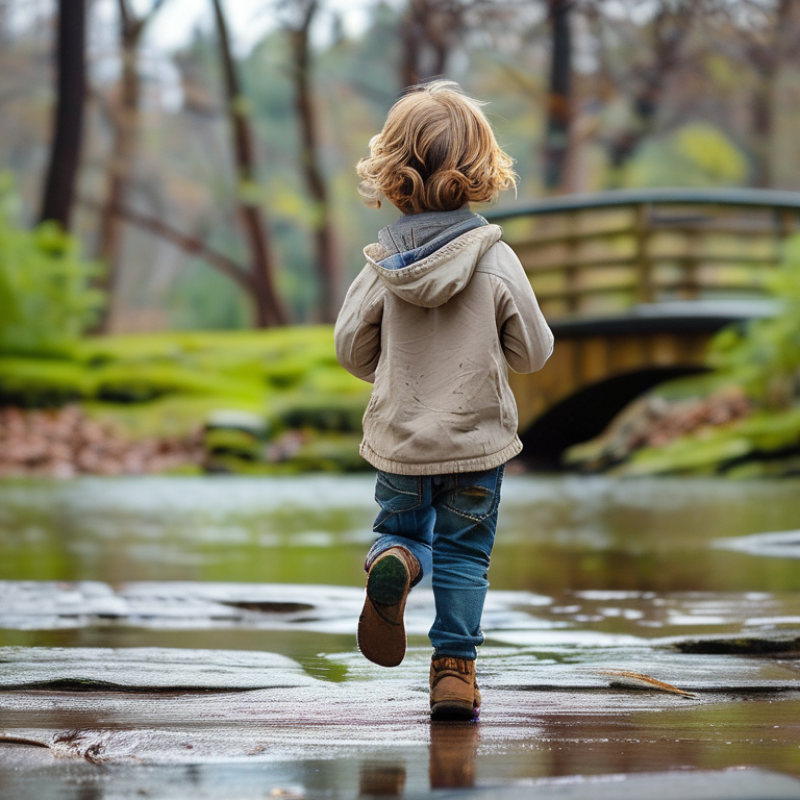
Outdoor play means child-led or guided activity in open-air environments. It includes parks, gardens, school yards, beaches, and safe community spaces. A child may run across grass, collect stones, build with sticks, or watch insects under a tree. These actions are not merely entertainment. They form a practical part of child development.
The scope of outdoor play is broad. It supports physical strength, balance, coordination, language, problem-solving, and emotional regulation. Unstructured play lets children choose challenges and change rules. Guided play can introduce counting, nature study, or cooperative games. Even quiet activities matter. Looking closely at a leaf may develop attention and scientific curiosity. Infants need sensory experiences, while older children may need climbing, planning, and negotiation.
Adults should provide safe boundaries without controlling every movement. Loose materials, varied surfaces, shade, water, and reachable natural objects can encourage creative play. Accessibility also matters. Children with different physical, sensory, or developmental needs may require adapted tools or calmer spaces. In practice, adults sometimes mistake muddy clothes for poor supervision. That assumption deserves reflection. Cleanliness matters, but reasonable challenge matters too. Safety checks should remove serious hazards while preserving manageable risk. A scraped knee can be upsetting, yet excessive restriction may reduce confidence and independence.
Outdoor play gives children more than fresh air. It creates changing surfaces, distances, and movements that indoor routines may not provide. Grass, sand, and gentle slopes challenge balance and body control. Running, climbing, jumping, and throwing strengthen large muscles. Smaller movements also matter. Picking up stones or fastening a helmet develops hand coordination.
The World Health Organization’s 2020 Guidelines recommend at least 60 minutes of moderate-to-vigorous activity daily for children aged 5–17. They also advise muscle- and bone-strengthening activities at least three days weekly. For children aged 3–4, the recommendation is 180 minutes of physical activity each day, including 60 active minutes. The Centers for Disease Control and Prevention links regular activity with stronger bones, muscles, and motor development. Outdoor movement can support these goals, but it is not a magic cure. Children still need sleep, food, and patient guidance.
Tips: Offer simple choices, such as a ball, balance beam, or climbing area. Let children set the pace. Watch for unsafe surfaces, loose equipment, and extreme weather. A short, regular outing may work better than a demanding weekend session. Notice how a child lands, turns, and grips objects. These details reveal progress. They also reveal gaps. Not every play session looks successful, and that is worth reflecting on. A muddy afternoon may teach more than a perfectly planned exercise.
| Age Group | Recommended Daily Movement | Suitable Outdoor Activities | Physical Growth Support | Motor Skills Developed | Typical Skill Indicators | Safety Considerations |
|---|---|---|---|---|---|---|
| 1 year | At least 180 minutes of physical activity spread throughout the day | Walking on level ground, supervised crawling, pushing stable toys, reaching for objects | Encourages active movement, muscle use, balance practice, and healthy energy regulation | Standing, walking, squatting, reaching, grasping, and changing body positions | Walks with increasing stability, bends to pick up objects, and moves around obstacles with help | Use close supervision, stable surfaces, shade, and age-appropriate equipment |
| 2–3 years | At least 180 minutes of physical activity per day, including energetic play | Running games, low steps, ball rolling and kicking, playground climbing, short walks | Builds lower-body strength, coordination, mobility, and confidence in active movement | Running, jumping, climbing, kicking, throwing, and maintaining balance | Runs with fewer falls, jumps with two feet, climbs with support, and throws a large ball | Check surfaces and equipment; stay close near roads, water, heights, and moving equipment |
| 3–4 years | At least 180 minutes daily, including at least 60 minutes of moderate-to-vigorous activity | Obstacle courses, cycling with appropriate protection, chasing games, hopping, playground activities | Supports cardiovascular fitness, bone-loading movement, muscle strength, and healthy body composition | Hopping, jumping, galloping, pedaling, catching, and directional control | Hops briefly, catches a large ball with both hands, pedals, and changes direction while running | Use helmets where appropriate, provide impact-absorbing surfaces, and adapt activities to ability |
| 5–6 years | Part of an average of at least 60 minutes of moderate-to-vigorous activity per day | Tag, skipping, climbing, swimming with supervision, cycling, jumping games, simple sports | Strengthens muscles and bones while improving endurance, agility, and movement efficiency | Skipping, balancing, striking, catching, throwing, and coordinated whole-body movement | Combines movements, balances briefly on one foot, and throws or catches with improved accuracy | Apply water, sun, traffic, and equipment safety rules; allow rest and hydration breaks |
| 7–12 years | At least 60 minutes per day of moderate-to-vigorous physical activity on average | Team games, hiking, cycling, running, swimming, jumping sports, and active free play | Supports cardiorespiratory fitness, bone health, muscular fitness, and healthy physical development | Speed, power, agility, balance, reaction time, spatial awareness, and sport-specific coordination | Sustains active play longer, changes pace and direction, and refines complex movement patterns | Use protective equipment, warm up when appropriate, monitor weather, and encourage safe technique |
| 13–17 years | At least 60 minutes per day of moderate-to-vigorous activity on average, with vigorous and muscle- or bone-strengthening activity several days weekly | Running, cycling, hiking, outdoor fitness, swimming, sports, and body-weight activities | Promotes cardiovascular capacity, muscular strength, bone development, and lifelong activity habits | Advanced coordination, power, endurance, balance, movement planning, and sport technique | Controls intensity, applies movement skills in varied settings, and performs complex sequences safely | Progress gradually, use suitable equipment, respect environmental conditions, and include recovery time |
| Data basis: Movement targets are aligned with World Health Organization guidance for children and adolescents. Actual abilities vary with development, health, experience, environment, and access to safe play spaces. Outdoor play supports physical development but does not replace adequate nutrition, sleep, healthcare, or individualized professional advice. | ||||||
Outdoor play gives children a changing classroom beneath the sky. A fallen branch can become a bridge, ruler, or pretend boat. These small decisions exercise planning, flexible thinking, and early problem-solving skills. Nature rarely provides one correct answer. That uncertainty encourages children to ask questions and test ideas. Brains need movement.
Developmental research connects active play with attention, memory, and self-regulation. Climbing over uneven ground requires balance and constant body awareness. Searching for insects strengthens observation and visual memory. Listening for birds can improve selective attention. In my experience, children often focus longer outdoors, even without adult reminders. A quiet patch of grass may hold more mental challenge than a colorful indoor toy.
Outdoor exploration also supports language and social reasoning. Children describe textures, compare sizes, and negotiate shared games. They learn to explain a plan when a shelter collapses or a path becomes muddy. Adults can support this learning by asking open questions, rather than directing every action. Still, outdoor play is not automatically valuable. Unsafe conditions, excessive supervision, or rushed activities can reduce its benefits. I once assumed that more equipment meant richer learning, but simple spaces often invite deeper imagination. The evidence is promising, though each child responds differently. Careful observation matters.
Cognitive Benefits of Nature-Based Exploration and Active Play
Outdoor play creates daily opportunities for movement, exploration, problem-solving, attention control, and social interaction. The chart shows evidence-based physical-activity targets that outdoor play can help children achieve; the 60-minute moderate-to-vigorous target is included within the 180-minute total for preschool children.
Source: World Health Organization, Guidelines on Physical Activity, Sedentary Behaviour and Sleep for Children Under 5 Years of Age (2019), and Guidelines on Physical Activity and Sedentary Behaviour (2020).
Outdoor play supports more than physical fitness. It gives children a real social laboratory. On a grassy slope, two children may negotiate turns, invent rules, and repair small conflicts without adult direction. These moments build cooperation and emotional regulation. The World Health Organization recommends at least 180 minutes of physical activity daily for children aged three to four, including 60 minutes of moderate-to-vigorous movement. Outdoor settings can make that movement feel purposeful rather than forced.
Nature also feeds creative development. A stick becomes a fishing rod. Fallen leaves become shop money. Open space allows children to test ideas, change games, and accept manageable risks. UNICEF reported that one in seven adolescents aged 10–19 lives with a mental health condition. Outdoor play cannot solve this crisis. Still, sunlight, movement, peer contact, and quiet observation may support healthier emotional habits. The evidence is promising, but it is not perfect. Family routines, disability access, weather, and neighborhood safety can change every outcome.
Tips: Offer loose materials, such as stones, cardboard, or fabric. Ask, “What could this become?” Wait before correcting disagreements. Let children experience small failures, such as a collapsed stick shelter. Keep boundaries clear. A ten-minute outdoor game can matter, especially when adults join without controlling it. Research should continue examining which outdoor experiences help different children most.
Outdoor play supports balance, coordination, confidence, and emotional regulation. A child climbing a low structure learns to judge distance and control movement. A child digging in damp soil strengthens hand muscles and explores cause and effect. These ordinary moments matter. They also require thoughtful planning.
Safe environments begin with regular checks. Adults should inspect loose bolts, sharp edges, unstable surfaces, and standing water. Shock-absorbing ground materials can reduce injury risks beneath climbing equipment. Shade, drinking water, and weather-appropriate clothing also deserve attention.
Active supervision works better than distant watching. Stay close enough to notice fatigue, conflict, or unsafe choices. Still, supervision should not remove every manageable challenge.
Access must include more than a wide entrance. Paths should support wheelchairs, walkers, and small balance bikes. Rest areas help children who tire quickly. Quiet spaces can support children sensitive to noise or crowds. Equipment should offer different heights and movement options.
Toddlers may need low steps, soft surfaces, and simple sensory activities.
Preschool children can try short slides, balancing beams, and guided ball games.
Older children often need space for climbing, running, and cooperative problem-solving.
No outdoor setting is perfect. A beautiful playground may still exclude a child with limited mobility. Adults may also overestimate danger and interrupt too quickly.
Reflecting after play can reveal these gaps. Ask what felt safe, what felt difficult, and what should change tomorrow.
: Running, climbing, jumping, and throwing strengthen large muscles. Grass, sand, and gentle slopes challenge balance. Outdoor play supports growth, but it is not a magic cure.
Children practice balance, coordination, gripping, turning, and landing. Picking up stones strengthens hand control. Fastening a helmet also develops smaller movements.
Children aged five to seventeen generally need 60 active minutes daily. Children aged three to four need 180 minutes of movement. About 60 minutes should be active. Needs vary.
Toddlers may use low steps, soft ground, and simple sensory activities. Preschool children can try short slides and balance beams. Guided ball games also work well.
Check bolts, sharp edges, unstable ground, and standing water. Use shock-absorbing surfaces beneath climbing equipment. Provide shade, water, and suitable clothing.
Stay close enough to notice fatigue, conflict, or unsafe choices. Avoid interrupting every manageable challenge. Children need support, not constant control.
Provide paths for wheelchairs, walkers, and small balance bikes. Add rest areas for children who tire quickly. Quiet spaces can help children sensitive to noise.
Ask what felt safe, difficult, or uncomfortable. Notice how the child grips, turns, and lands. A muddy afternoon may teach more than a perfect plan. Some gaps may remain.
Outdoor play is a vital part of childhood development because it combines movement, discovery, and meaningful social interaction. The question “why is outdoor play essential for child growth” can be answered by looking at its wide range of benefits. Running, climbing, balancing, and jumping strengthen muscles, improve coordination, and support physical health. At the same time, exploring natural surroundings encourages curiosity, problem-solving, observation, and early scientific thinking.
Outdoor experiences also help children build communication skills, confidence, emotional resilience, and creativity as they cooperate, negotiate, imagine, and take manageable risks. To make these benefits accessible, play environments should be safe, inclusive, and suitable for each child’s age and abilities. Adults can provide guidance without controlling every activity, allowing children to develop independence while maintaining reasonable supervision. With thoughtful planning, outdoor play becomes a flexible learning experience that supports the whole child.

ProActive Toys