Outdoor play offers children much more than just fun. It serves as a critical component for enhancing their health and overall well-being. Dr. John Ratey, a renowned psychiatrist and author of "Spark: The Revolutionary New Science of Exercise and the Brain," emphasizes that “exercise is really for the brain.” This statement underscores how outdoor activities positively influence children's cognitive functions and emotional health.
Engaging in outdoor play allows children to explore their environment. They develop physical skills while honing their social abilities. Activities like climbing trees or playing tag are not just play; they enhance motor skills and foster teamwork. Additionally, being outdoors exposes children to natural light and fresh air, which are vital for their physical health. However, access to safe play spaces remains a challenge in many communities.
Inquiring into "how can outdoor play improve children's health" reveals both opportunities and obstacles. While the benefits are clear, societal barriers often prevent children from enjoying these experiences. We must address these issues to ensure every child has the chance to thrive through outdoor play.
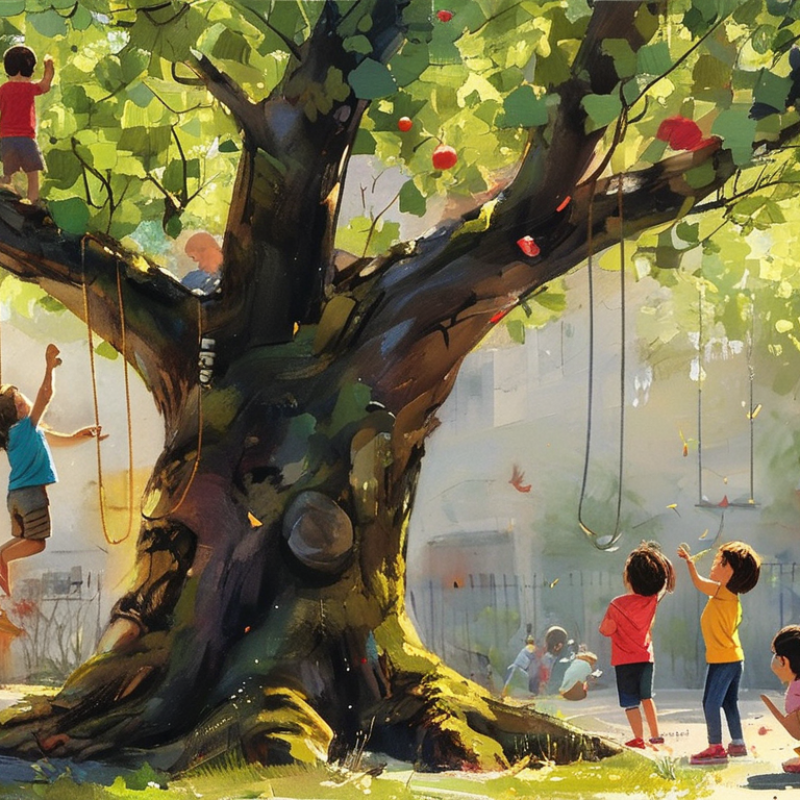
The Importance of Outdoor Play in Childhood Development
Outdoor play is crucial for childhood development. It provides children with physical activity, which boosts their overall health. Active play helps them develop strength and coordination. It also encourages social skills as children interact with peers. They learn teamwork and conflict resolution while playing games. These experiences shape their emotional well-being, building resilience.
Tips for integrating more outdoor play into daily routines: Consider setting specific times for outdoor activities. Create a balance between structured play and free exploration. Allow children to lead their playtime, nurturing their creativity. Remember to choose safe environments, such as parks or backyards, where they can roam freely.
Despite the importance of outdoor play, many children today spend too much time indoors. Screen time can be addictive, and it often replaces physical activity. Parents can reflect on their own habits and make conscious efforts. Encouraging outdoor play can help create a healthier lifestyle for their children. Even small changes can make a big difference over time.
Physical Health Benefits of Outdoor Play for Children
Outdoor play offers numerous physical health benefits crucial for children's development. Engaging in activities like running, climbing, or playing ball can improve cardiovascular health. These activities enhance muscle strength and coordination. Children who play outside regularly tend to be more active overall, reducing the risk of obesity. Regular outdoor play can also improve their immune system, helping them fight off illnesses.
Experiencing nature provides an additional layer of health benefits. Fresh air and sunlight help children produce vitamin D, vital for healthy bone development. However, not all outdoor activities are equally beneficial. For instance, excessive screen time outdoors can diminish the physical benefits. It's important for caregivers to encourage truly active play.
Research shows that outdoor play can significantly boost mood and reduce stress. While kids are active, they often laugh and socialize, fostering emotional health. Yet, not every child has equal access to safe play areas. Ensuring equitable access to outdoor spaces is a challenge we must address. Balancing safety and freedom in outdoor play is essential for maximizing health benefits.
Mental and Emotional Well-being Through Outdoor Activities
Outdoor play significantly contributes to children's mental and emotional well-being. Engaging with nature allows kids to explore their environment. They can climb trees, run through fields, or just sit quietly. This interaction fosters creativity. Children learn to invent games and create imaginary worlds.
Being outdoors also reduces stress levels. Fresh air and natural light have calming effects. Kids experience less anxiety when they play outside. They build resilience by facing small challenges, like overcoming fear while climbing. These moments help them handle bigger issues later in life.
However, not all outdoor experiences guarantee happiness. Some children feel overwhelmed in busy settings. Others may struggle with social interactions during group play. It's essential to create supportive environments that embrace diverse needs. Encouraging open communication about feelings can help children navigate these complexities.
Social Skills and Community Engagement in Outdoor Play
Outdoor play is a vital element for children’s social skills and community engagement. When children play outside, they interact with peers in diverse settings. This interaction promotes teamwork, problem-solving, and communication. According to the American Academy of Pediatrics, unstructured outdoor play enhances social abilities. Children learn empathy, negotiation, and conflict resolution during these interactions.
Research shows that kids who frequently engage in outdoor play have stronger community ties. For instance, a study published by the University of Illinois found that children who play outdoors develop friendships based on shared experiences. These connections extend beyond playtime, fostering a sense of belonging. Outdoor environments serve as a backdrop for learning social norms, as children navigate group dynamics.
However, it’s important to acknowledge some challenges. Not all areas provide safe outdoor play spaces. Barriers like lack of access and safety concerns can hinder children’s opportunities to engage. These issues require reflection and action from communities. By addressing these obstacles, we can create more inclusive environments where all children thrive socially. The benefits of outdoor play are clear, yet we must also focus on improving accessibility.
How Outdoor Play Enhances Children's Health and Well-being
Nature and Environmental Awareness Gained from Outdoor Experiences
Outdoor play significantly boosts children's health and well-being. Engaging with nature fosters environmental awareness and connection. According to a study from the National Academies of Sciences, outdoor activities improve children's emotional well-being by 25%. Exposure to natural settings promotes a sense of calm and reduces stress.
Nature helps children understand ecosystems. They learn the importance of biodiversity through hands-on experiences. For instance, exploring local parks can spark curiosity about plants and wildlife. Studies show children who play outdoors are more likely to protect the environment as they grow older. This connection enhances their ability to form sustainable habits.
Tips for enhancing outdoor play: Encourage outdoor scavenger hunts to deepen engagement with nature. Create a “nature journal” for children to document their findings. This practice enhances observational skills. Ensure time outdoors is regular and unstructured, allowing children to explore freely. Emphasize the value of playtime in nature to promote both physical health and environmental literacy.
FAQS
: Outdoor play improves cardiovascular health and enhances muscle strength. It also boosts coordination and reduces obesity risk.
Regular outdoor play can strengthen the immune system, which helps kids fight off illnesses effectively.
Sunlight helps children produce vitamin D, which is vital for their bone development and overall health.
Too much screen time can diminish the physical benefits of outdoor activities, making active play less effective.
Engaging in outdoor play boosts mood and reduces stress, as children often laugh and socialize during activities.
Not every child has access to safe play areas, which can affect their physical and emotional development.
Children learn about ecosystems and biodiversity through hands-on experiences, like exploring local parks.
Outdoor scavenger hunts and nature journals encourage curiosity and observational skills among children.
Caregivers should promote regular, unstructured playtime that allows children to explore nature freely.
Balancing safety and freedom in outdoor play is essential for maximizing the health benefits for children.
Conclusion
Outdoor play is essential for children's overall development, offering numerous health benefits that contribute to their physical, mental, and social well-being. Engaging in outdoor activities not only promotes physical fitness, helping children develop stronger muscles and better coordination, but it also plays a crucial role in enhancing their mental and emotional health. These interactions with nature can reduce stress and anxiety, fostering a sense of peace and happiness among children.
Moreover, outdoor play encourages the development of social skills as children engage with peers, learn teamwork, and build a sense of community. This environment also heightens their awareness of the natural world, instilling a sense of responsibility towards the environment. In summary, understanding how outdoor play can improve children's health is vital, as it leads to a well-rounded development that nurtures physical abilities, emotional resilience, and social competence.

 ProActive Toys