As we approach 2026, the world of outdoor toys is evolving rapidly. Global buyers are keenly interested in understanding what are the latest trends in outdoor toys. Manufacturers are responding to the needs of today's families, prioritizing sustainability and safety. Eco-friendly materials and safe designs are at the forefront of this shift.
Innovation is also driving change. Interactive and digital elements are increasingly incorporated into outdoor toys. This fusion enhances play experiences, making them more engaging for children. However, this trend raises questions about outdoor play's traditional aspects.
Amid these trends, some challenges persist. Balancing technology with physical activity remains crucial. Families seek toys that encourage outdoor exploration, rather than screen time. Ultimately, understanding these dynamics will help navigate the future landscape of outdoor toys.
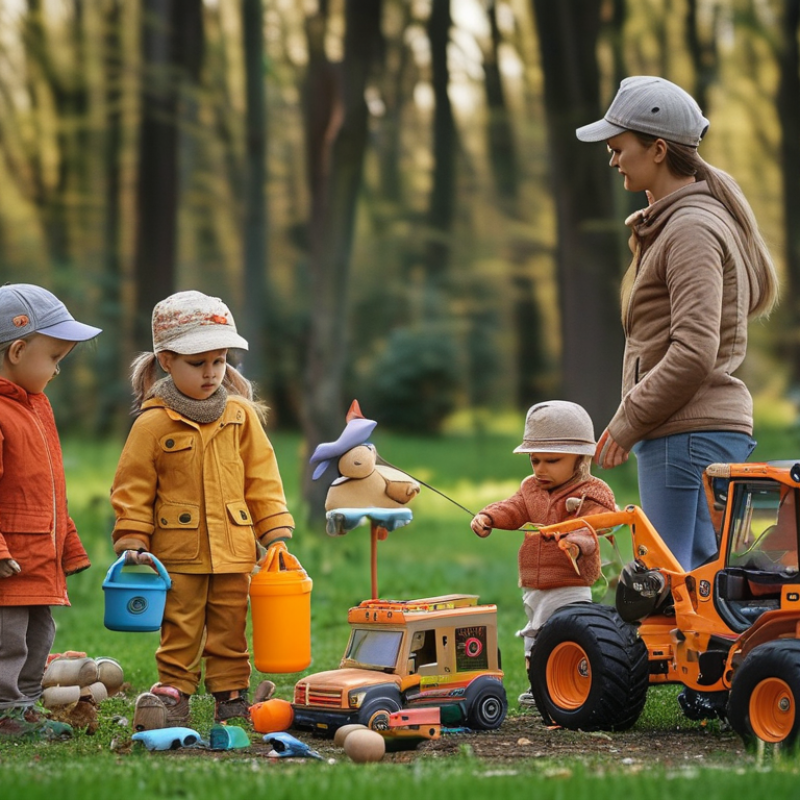
As we approach 2026, the toy industry is witnessing significant innovations in outdoor toys. Emerging technologies are reshaping how children engage with outdoor play. Augmented reality (AR) and interactive features are becoming increasingly popular. A recent report from the Toy Industry Association highlights that AR in outdoor toys can boost physical activity by up to 30%.
Market trends indicate a rising demand for eco-friendly materials. In 2026, approximately 70% of outdoor toys will likely utilize sustainable sources. Parents are now prioritizing environmentally responsible options for their children. This is a positive step, but parents must ensure quality is not compromised for sustainability.
Tips: Encourage children to explore nature through outdoor play. Consider toys that foster creativity and imagination, such as building kits or equipment for sports. Choose toys that can adapt as the child grows, allowing for longer-term use. Always research before making a purchase to ensure your choices support both play and learning. Balancing fun with educational value is crucial.
The outdoor toy market is evolving rapidly. In 2026, sustainability will play a crucial role in toy design. Buyers will demand products made from eco-friendly materials. Traditional plastics are falling out of favor. Emerging alternatives include bamboo, recycled plastics, and natural fibers.
These materials offer durability without harming the planet. Parents are increasingly aware of their choices. They seek toys that foster creativity while being safe for children. Brands are responding by focusing on recyclable packaging and non-toxic finishes. However, challenges remain.
Finding a balance between fun and sustainability is tough. Some eco-friendly toys may lack the durability of traditional options. Consumers must be educated about their benefits. Not all sustainable products meet children's play needs. Therefore, careful selection is key. Sustainability in outdoor toys is not just a trend. It is a movement towards responsible consumption.
In 2026, consumer preferences for outdoor toys are undergoing a significant shift. Many buyers prioritize sustainability and eco-friendliness. Parents now seek toys made from recyclable materials. Manufacturers are responding by offering products that minimize plastic use. This trend reflects a growing awareness of environmental issues among consumers.
Another key factor driving choices is technology. Interactive outdoor toys with digital features are gaining popularity. Kids enjoy engaging and educational experiences while playing outside. Yet, there's an ongoing discussion about screen time versus outdoor activity. Striking a balance remains a challenge for many families.
Safety also plays a critical role in consumer preferences. Parents demand products that meet strict safety standards. They often conduct thorough research before making purchases. However, many toys still face scrutiny over potential hazards. This highlights the need for brands to enhance transparency and reliability. Consumers are keen on understanding what they buy for their children.
As outdoor play continues to evolve, several toy categories are emerging as favorites among global buyers in 2026. Nature-based toys are gaining immense popularity. These include items like tree swings and sandbox kits that encourage children to explore the outdoors. They connect kids with nature, fostering imagination and creativity.
Water toys are also trending this year. Toys like inflatable pools and water slides are perfect for summer fun. They offer opportunities for physical activity and social interaction. Parents appreciate how water play can keep kids cool and entertained for hours. When choosing water toys, consider safety features. Look for durable materials and non-toxic components.
Another area seeing growth is outdoor sports equipment. Items like portable soccer goals and frisbees bring the fun of team sports to the backyard. These toys promote physical fitness while teaching teamwork. When selecting sports gear, check age recommendations. It's crucial to choose equipment that supports your child's skill level and age. Ensuring the right fit enhances the play experience.
As the outdoor toy market evolves, brands must innovate their marketing strategies to connect with global consumers. In 2026, personalization will be crucial. Companies can use data analytics to understand children's preferences. This understanding allows them to create tailored experiences, making toys more appealing. For example, an outdoor toy that adapts to various age groups can encourage longer playtime.
Social media will play a pivotal role in marketing outdoor toys. Engaging visuals can capture the attention of parents and children alike. Brands should collaborate with influencers who genuinely value outdoor play. Authentic endorsements can build trust and credibility. However, brands may struggle to identify the right influencers. A misalignment here can lead to ineffective campaigns and wasted resources.
Additionally, sustainability is increasingly important to consumers. Brands should highlight eco-friendly materials and practices. Yet, some companies might face challenges in sourcing sustainable materials. Transparency is key; sharing the journey of a product can foster trust. These strategies remind brands that while creativity is essential, aligning with consumer values is paramount.
: Augmented reality (AR) and interactive features are transforming outdoor play experiences for children.
AR can increase physical activity by up to 30%, making play more engaging and active.
Around 70% of outdoor toys are expected to be made from eco-friendly and sustainable materials.
Parents prioritize sustainability, but they must ensure that toy quality is not compromised for environmental benefits.
Nature-based toys like tree swings promote exploration, while water toys like inflatable pools provide summer fun.
Water toys offer physical activity and social interaction, keeping kids cool and entertained during warm weather.
Check age recommendations and ensure the gear fits the child's skill level to enhance their play experience.
They can provide toys that foster creativity and imagination, such as building kits or sports equipment.
It ensures that the selected toys support both fun and educational growth for children.
Fun and educational value should go hand in hand to enrich the play experience for children.
The article titled "Latest Trends in Outdoor Toys for Global Buyers in 2026" explores the evolving landscape of outdoor toys, focusing on several key themes. As we look into what are the latest trends in outdoor toys, emerging technologies play a significant role, enhancing the play experience through interactive and connected features. Sustainability is another critical factor, with a growing demand for eco-friendly materials and designs that minimize environmental impact.
Additionally, consumer preferences are shifting toward toys that promote outdoor activities and physical engagement, leading to an increase in popularity for certain categories like active play items and nature exploration kits. Innovative marketing strategies are also crucial for brands to effectively reach consumers, utilizing digital platforms and social media to connect with eco-conscious buyers. Overall, the outdoor toy market in 2026 is positioned to embrace both technological advancements and sustainability, catering to the evolving interests of global consumers.

ProActive Toys