2026 How to Choose the Best Materials for Outdoor Toys?

Time:2026-08-31 Author:Aria
0%

When selecting outdoor toys, the choice of materials is crucial. Parents often wonder what materials are best for outdoor toys. This decision impacts safety, durability, and enjoyment. It's essential to understand various materials used in outdoor toys.

Some plastics can withstand UV rays and harsh weather, making them ideal for outdoor play. Natural materials, such as wood, offer a classic and Eco-friendly option. However, wood can splinter or decay over time if not treated properly. Metal toys, while strong, can heat up in direct sunlight, posing a risk to children.

Considering safety standards is vital. Some materials may contain harmful chemicals, which can be dangerous for little ones. It's important to research and ensure that the toys meet safety certifications. Parents should also reflect on their unique environment and children’s play habits. Ultimately, the choice of materials can influence not only the longevity of the toys but also the overall outdoor play experience.
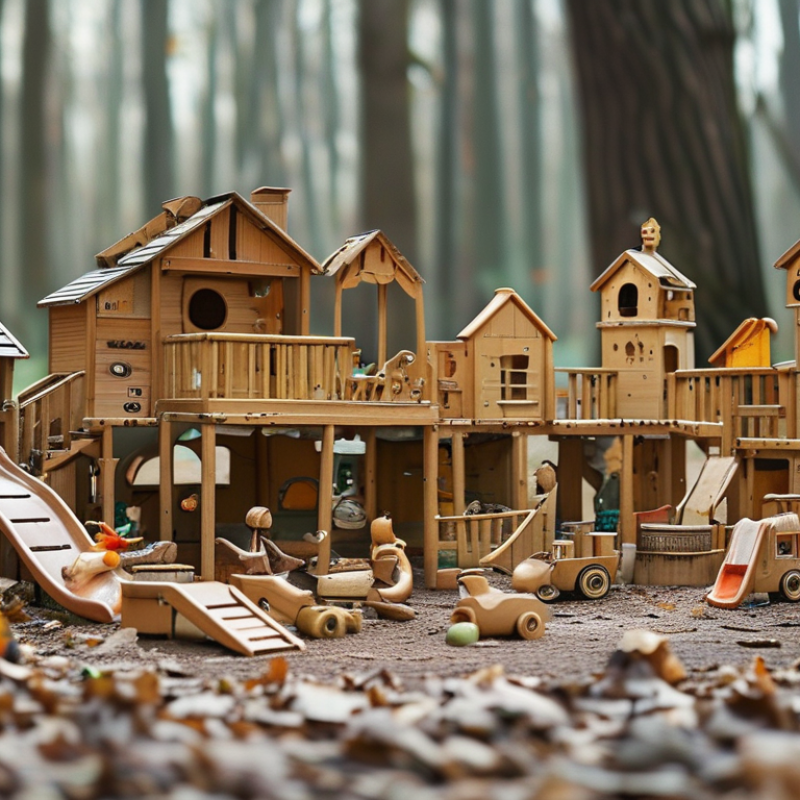
2026 How to Choose the Best Materials for Outdoor Toys?

Understanding the Importance of Material Selection for Outdoor Toys

Choosing materials for outdoor toys requires careful consideration. The right materials ensure safety, durability, and fun. Parents want toys that can withstand the elements. Toys made from high-quality plastics, treated wood, and metal often stand the test of time. However, not all plastics are safe. Some can release harmful chemicals over time.

Beyond safety, weight is a factor. Heavier toys may not blow away in the wind, but they can be more challenging for children to handle. A balance must be struck. Consider how the toy will be used. Water-splashed materials should resist damage. Some materials can become slippery when wet. This can lead to accidents.

Environmental impact matters too. Sustainable materials cultivate a responsible playtime. Recyclability is another point worth pondering. A toy should not only entertain but also leave minimal waste. Though many options exist, there's no perfect solution. Material selection involves trade-offs. Reflect on the long-term implications of every choice. The goal is to create joyous moments while ensuring safety and sustainability for future generations.

2026 How to Choose the Best Materials for Outdoor Toys? - Understanding the Importance of Material Selection for Outdoor Toys

Material Durability Safety Rating Weather Resistance Maintenance Needed
Plastic (HDPE) High ASTM Approved Excellent Low
Wood (Cedar) Moderate Non-toxic Good Moderate
Metal (Aluminum) Very High ASTM Approved Excellent Low
Rubber High Non-toxic Good Low
Composite Materials Moderate to High ASTM Approved Excellent Moderate

Evaluating Safety Standards and Certifications for Toy Materials

When selecting materials for outdoor toys, safety standards are paramount. In the United States, the Consumer Product Safety Commission (CPSC) outlines necessary regulations. Toys for outdoor use must comply with rigorous safety certifications. For instance, ASTM F963-17 establishes criteria to minimize hazards associated with mechanical and physical properties of toys. Many manufacturers prioritize these standards to ensure children's safety.

It is essential to look for materials labeled as non-toxic. Reports indicate that phthalates and heavy metals can be harmful. According to a 2020 study, 80% of toys sourced from unverified suppliers failed safety tests. Parents should consider the source of the materials. Using recycled or repurposed materials may seem eco-friendly but can pose risks if not properly evaluated.

When browsing for outdoor toys, note the certifications. Check for labels like CPSIA or EN71, which signify compliance with safety norms. Ensure that the toys have undergone third-party testing. This reflects a commitment to child safety and quality. Re-evaluating your choices helps in making informed decisions about the materials. Consider the longevity of the toys as well. Durable materials reduce waste over time, ensuring a better investment.

2026 Evaluation of Outdoor Toy Material Safety Standards

This bar chart illustrates the evaluation of different outdoor toy materials based on their adherence to safety standards and certifications. The data reflects the top materials commonly used in outdoor toys and their compliance levels with established safety regulations.

Comparing Durability and Weather Resistance of Different Materials

When selecting materials for outdoor toys, durability and weather resistance are crucial factors. Many parents prioritize safety and longevity in their choices. Plastics, metals, and woods are common materials, each with unique properties.

Plastics are lightweight and resistant to moisture, making them ideal for rainy climates. However, not all plastics are created equal. Some can degrade under UV exposure. Metals offer excellent durability but may rust if not properly coated. Wood is aesthetically pleasing and sturdy, yet it requires regular maintenance.

Some alternatives like composite materials combine elements to enhance durability. While they may offer better resistance, understanding their long-term performance is key. Testing various prototypes in different weather conditions can yield insights. Observing how materials respond over time leads to informed choices. Not every option will suit every environment, and sometimes trial and error is necessary.

Assessing Environmental Impact of Materials Used in Outdoor Toys

Choosing the right materials for outdoor toys requires careful consideration of their environmental impact. Many toys are made from plastics that can harm ecosystems. Research shows that certain materials leach harmful chemicals into the soil and water. These impacts can pose risks, especially in natural play spaces where children engage with the environment.

Biodegradable materials are gaining attention. They break down naturally over time, reducing long-term pollution. For instance, wood from sustainably managed forests offers a replayable option. Metal toys, if well-coated, can also be durable and less harmful. However, not all wood is eco-friendly. It's essential to confirm sources and avoid overexploitation of any material.

Another critical aspect is the life cycle of the toy. Toys that can be recycled or reused significantly lower their environmental footprint. Yet, many parents might overlook end-of-life options when purchasing. Reflecting on purchasing decisions can lead to more sustainable choices. The impact of outdoor toys extends beyond play; it influences the health of our planet.

Cost-Effectiveness: Balancing Quality and Budget for Outdoor Toys

When it comes to outdoor toys, the materials play a crucial role in both safety and budget. It's essential to find a balance that doesn't compromise quality for cost. Look for materials that are durable and weather-resistant. For instance, plastics like polyethylene can withstand the elements while staying lightweight. However, cheaper options might break easily or fade over time, leading to additional expenses.


Wooden toys offer a classic appeal but can vary significantly in price. Sustainable wood might be more costly but ensures longevity and safety for children. Ensure that the finish is non-toxic. Metal toys can be sturdy but may rust if not properly coated. Assessing these factors can be tricky. Sometimes, spending a little more upfront can save you money long-term.


Reflecting on brand reputation is also key. It’s not uncommon for parents to overlook the importance of material sourcing. Researching manufacturers who prioritize quality and safety can guide your decision. Cost-effectiveness isn't just about price; it’s about making informed choices that ensure your child's safety and enjoyment.

FAQS

: What materials are commonly used for outdoor toys?

: Common materials include plastics, metals, and woods, each with unique strengths.

Why is material selection important for outdoor toys?

The right materials ensure safety, durability, and fun, essential for children’s play.

Can all plastics be considered safe for toys?

No, some plastics can release harmful chemicals over time, making safety a concern.

How does weight affect outdoor toys?

Heavier toys may stay put in wind but can be harder for kids to manage.

What is the impact of weather on outdoor toys?

Weather can cause materials to degrade. Testing in varied conditions helps to understand this.

Why should sustainability be considered in material selection?

Sustainable materials promote responsible play and help reduce waste after toys are used.

Are there alternatives to traditional materials in toy making?

Yes, composite materials combine elements for better durability and resistance, yet require evaluation.

How can I ensure my child's outdoor toys last longer?

Regular maintenance and observing the material's performance over time can greatly help.

What challenges come with selecting materials for outdoor toys?

Balancing safety, durability, and environmental impact involves trade-offs and often reflection on choices.

Is there a perfect material for outdoor toys?

There is no perfect solution; every choice involves some compromises and requires careful thought.

Conclusion

When selecting outdoor toys, understanding what materials are best for outdoor toys is crucial for ensuring safety, durability, and environmental responsibility. It's important to evaluate safety standards and certifications for toy materials, as regulatory compliance can significantly influence the well-being of children. Additionally, comparing the durability and weather resistance of different materials helps to determine how well toys can withstand outdoor conditions.

Furthermore, assessing the environmental impact of materials used in outdoor toys is essential in today's eco-conscious market. Selecting sustainable materials not only benefits the planet but also appeals to environmentally aware consumers. Finally, balancing quality and budget is key; parents should seek cost-effectiveness while not compromising on the safety and durability of outdoor toys. Overall, a thoughtful material selection process can enhance the outdoor play experience for children while ensuring their safety and well-being.

Aria

Aria

Aria is a dedicated marketing professional with a deep passion for innovative strategies and a keen understanding of our company's product offerings. With a wealth of experience in the industry, Aria excels at crafting engaging content that highlights the unique features and benefits of our......