How to Choose the Best Outdoor Toys for Every Age Group?

Time:2026-06-18 Author:Liam
0%

Choosing outdoor toys for children involves understanding their developmental needs. Different age groups have unique preferences and abilities. According to the American Academy of Pediatrics, outdoor play contributes to physical health, social skills, and emotional development. This makes it essential to select suitable toys that promote engagement and safety.

When considering how to choose outdoor toys for different age groups, focus on safety and appeal. For toddlers, simple, colorful items can enhance sensory experiences. For older children, toys that encourage creativity and teamwork are important. Industry reports indicate that 87% of parents emphasize durability and safety in toy choices, yet many fail to consider age appropriateness, leading to potential hazards.

Engaging outdoor toys enrich children's experiences. However, parents often grapple with overwhelming options. Not all toys fit every child's needs, and it's crucial to reflect on individual interests and safety. This guide will help navigate these choices effectively.
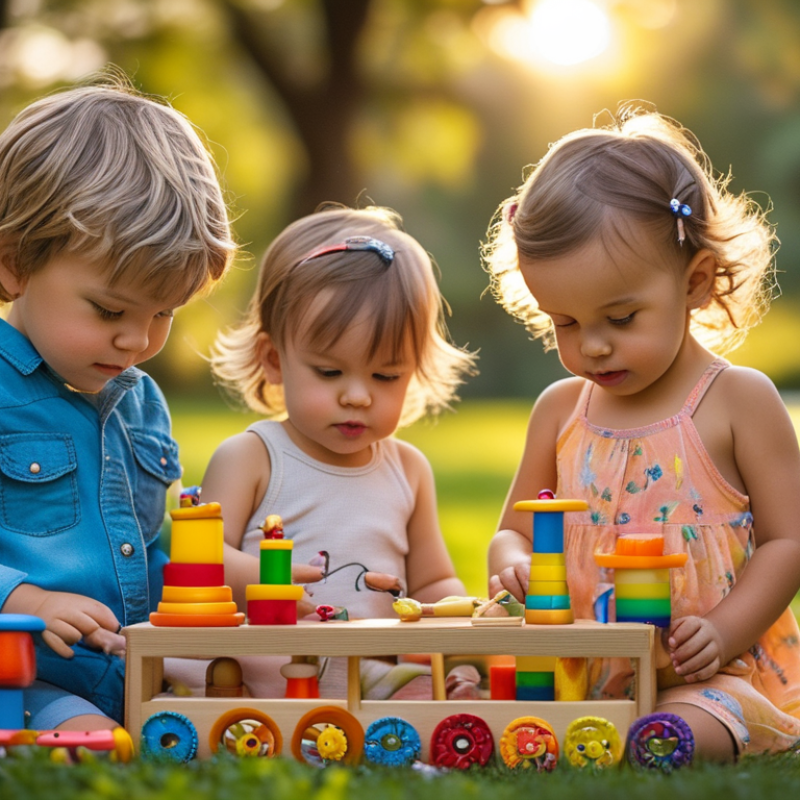
How to Choose the Best Outdoor Toys for Every Age Group?

Factors to Consider When Choosing Outdoor Toys for Different Ages

Choosing outdoor toys for different age groups requires careful consideration. Young toddlers need toys that promote safe exploration. Look for items like soft balls or lightweight shovels. These encourage movement while ensuring safety. You might want to try interactive or sensory-rich toys for deeper engagement.

For older children, toys that spark creativity and teamwork are essential. Consider items that facilitate group play. Sports equipment can be a good fit, promoting social skills and physical health. Always check the recommended age on the packaging to avoid potential dangers.

Tips: Always supervise young children during play. This ensures their safety and encourages positive interaction.

Don’t forget about the environment where toys will be used. A toy suitable for a backyard may not work well at a park. Gaining insights from other parents or caregivers can help. Be open to feedback on what works best.

Best Outdoor Toys for Infants and Toddlers: Safety and Development

When selecting outdoor toys for infants and toddlers, safety is paramount. Choose items with soft edges and non-toxic materials. Look for toys that are appropriate for their developmental stages. Consider simple items that encourage crawling, climbing, and basic coordination, such as soft play mats or low slides. These toys should stimulate curiosity and support motor skills.

Infants enjoy toys that respond to their actions. Rattles or small balls that roll are great for engaging their senses. Toddlers, on the other hand, crave more interaction. A sandbox or water play table can ignite imagination and social skills. Make sure to supervise playtime, particularly near water. Toys should be easy to clean, as toddlers are prone to putting things in their mouths.

Parents should reflect on their child's interests and capabilities. Not every toy suits every child. Observation can inform better choices. Take time to watch them play. See what captivates their attention. This way, you can choose toys that enrich their outdoor experiences while ensuring safety first.

Engaging Outdoor Toys for Preschoolers: Skills and Exploration

Engaging outdoor toys for preschoolers can spark creativity and encourage exploration. These toys help develop essential motor skills while allowing children to immerse themselves in nature. Simple items like jump ropes or balls foster physical activity. Children not only practice coordination but also learn the joy of play.

Consider open-ended toys like sand and water tables. They invite sensory play, fueling curiosity about textures and materials. Preschoolers can experiment with pouring, digging, and mixing. It seems messy at first, but that chaos is often where the most learning happens. Children also engage in imaginative scenarios, enhancing cognitive development.

It’s crucial to assess safety and suitability. Some toys might seem perfect but could be too challenging for certain age groups. Observe how each toy promotes skills and exploration. Is it strong enough to withstand energetic play? Reflecting on these questions leads to better choices. The goal is to create a stimulating outdoor environment where children thrive and grow.

How to Choose the Best Outdoor Toys for Every Age Group? - Engaging Outdoor Toys for Preschoolers: Skills and Exploration

Toy Name Age Group Skills Developed Type of Play
Sand and Water Table 2-5 years Sensory Exploration, Fine Motor Skills Creative Play
Balance Bike 2-4 years Balance, Coordination Physical Play
Obstacle Course Set 3-5 years Gross Motor Skills, Problem Solving Active Play
Outdoor Musical Instruments 3-5 years Auditory Skills, Creativity Creative Play
Garden Tools Set 3-5 years Responsibility, Coordination Imaginative Play

Fun and Safe Outdoor Toys for School-Age Children: Active Play

When selecting outdoor toys for school-age children, safety and fun are essential. Industry reports indicate that 73% of parents prioritize safety in outdoor play equipment. Parents often overlook how physical activity boosts children's health. Engaging in active play can enhance coordination, strength, and cardiovascular fitness. Choosing the right toys helps children harness these benefits.

It's important to consider age-appropriate toys. For instance, equipment like climbing structures promotes exploration. Research shows that children who play outside are 30% more likely to enjoy physical activity throughout their lives. While many options are available, not every toy suits every child. Some toys may be too advanced or too simple, leading to frustration or boredom.

Active play can sometimes lead to minor injuries. Safety regulations are crucial, but parents must supervise play. Some outdoor setups may lack proper cushioning, increasing the risk of falls. Finding durable toys is vital, but balance is needed with safety and excitement. Engaging children in playful choices fosters joy, but critical reflection on safety is essential.

Fun and Safe Outdoor Toys for School-Age Children

Outdoor Toy Recommendations for Teenagers: Adventure and Challenge

Choosing outdoor toys for teenagers can be challenging. This age group often seeks adventure and excitement. Look for toys that encourage physical activity and social interaction. Sports equipment, like a soccer ball or a skateboard, can provide thrills and opportunities for skill development.

Invest in toys that inspire creativity. Think about items like a kite or a slackline. These encourage teamwork and can push teens out of their comfort zones. Outdoor climbing walls or parkour kits are great for those craving a challenge. These activities promote physical fitness while fostering perseverance.

However, safety should always be a priority. Check for proper safety gear to reduce the risk of injury. Sometimes, teenagers underestimate the challenges of new activities. Encourage gradual progression and remind them to reflect on their limits. Outdoor play should be safe and fun, not just thrilling.

FAQS

: What types of outdoor toys are good for preschoolers?

: Simple items like jump ropes and balls promote physical activity and help develop motor skills.

How do open-ended toys benefit preschoolers?

Toys like sand and water tables encourage sensory play and foster curiosity about textures and materials.

Why is safety important when choosing outdoor toys?

Safety ensures children can play without risk. Some toys may be too challenging for their age, leading to injuries.

How does active play benefit school-age children?

Active play enhances coordination, strength, and cardiovascular fitness, which are essential for healthy development.

What should parents consider when selecting toys for their children?

Look for age-appropriate toys that match their skill level to avoid frustration or boredom during play.

What risks are associated with outdoor play?

Minor injuries can occur, so supervision is crucial. Ensure proper cushioning to reduce the risk of falls.

What outdoor toys are suitable for teenagers?

Toys like sports equipment, kites, and climbing kits provide adventure while encouraging physical fitness and social interaction.

How can teenagers safely engage in outdoor play?

Encourage them to use safety gear and reflect on their limits to prevent injury while having fun.

How do outdoor toys contribute to cognitive development in preschoolers?

Engaging in imaginative play with these toys enhances problem-solving and creative thinking skills.

Why should parents reflect on their toy choices?

Critical reflection helps ensure that the selected toys create a safe and stimulating environment for growth.

Conclusion

Choosing outdoor toys suitable for various age groups requires careful consideration of several factors, including safety, developmental needs, and engagement levels. For infants and toddlers, it’s crucial to select toys that prioritize safety while promoting early development through sensory and motor skill activities. Preschoolers benefit from toys that encourage exploration and foster essential skills, such as coordination and social interaction.

When considering school-age children, look for outdoor toys that support active play and physical fitness, while also providing opportunities for imaginative play. For teenagers, adventure and challenge become key factors, as they seek more complex activities that promote teamwork and skill development. Understanding how to choose outdoor toys for different age groups ensures that each child enjoys safe, engaging, and developmentally appropriate play experiences outdoors.

Liam

Liam

Liam is a dedicated marketing professional with a profound expertise in the industry, where he excels at highlighting the unique advantages of our core products. With a keen understanding of market trends and consumer needs, Liam frequently updates our company’s professional blog, providing......