How to Choose Outdoor Toys for Kids and Why They Matter?

Time:2026-11-02 Author:Ethan
0%

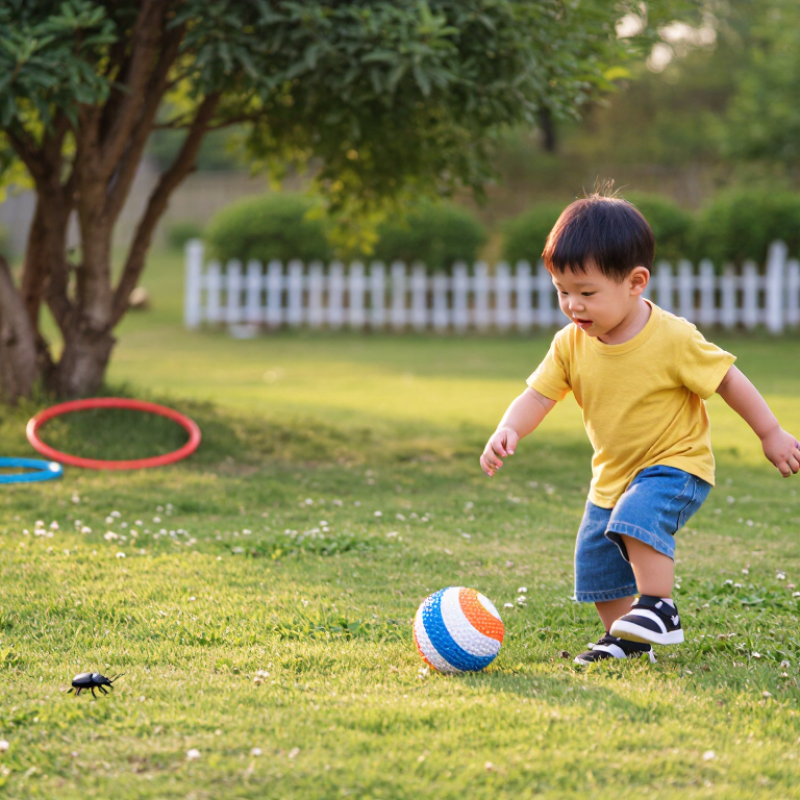
Outdoor play can begin with a simple scene: a child chasing a soft ball across grass, then stopping to inspect a beetle. The right toy can invite movement, curiosity, and shared play without needing a complicated setup. But buying more is not always better. A sturdy skipping rope may get daily use, while a flashy toy can remain untouched in the yard.

The health case is clear, though toys alone cannot deliver it. The World Health Organization’s 2019 guidelines recommend at least 180 minutes of varied daily physical activity for children aged three to four, including 60 minutes of moderate-to-vigorous activity. The U.S. Centers for Disease Control and Prevention recommends at least 60 minutes of daily physical activity for children and adolescents aged six to seventeen. These recommendations help explain why are outdoor toys important for kids: well-chosen options can make active play easier to start and more enjoyable to repeat. That matters.

Choosing well takes more than checking the age label. Consider a child’s abilities, the available space, durable materials, and whether an adult can supervise play. A small garden calls for different choices than an open park. Not every toy works. Even a practical choice may miss the mark if a child finds it boring; that is worth admitting. This guide explores how to match outdoor toys with children’s needs, support active play, and make safer, more thoughtful buying decisions. The goal is not a perfect toy box. It is a reason to step outside.
How to Choose Outdoor Toys for Kids and Why They Matter?

Why Outdoor Toys Matter for Children's Growth and Well-Being

Outdoor toys matter because they make movement feel like play, not another instruction. A skipping rope, soft ball, or chalk for hopscotch can turn a small patch of pavement into an active play space.

The World Health Organization’s 2020 physical activity guidelines recommend that children and adolescents average at least 60 minutes of moderate-to-vigorous activity per day across the week.

Toys cannot guarantee that target, but they can make running, balancing, and throwing easier to start. Small choices matter. Pick equipment that fits the child’s age, abilities, and available space, and leave room for child-led games.

The benefits reach beyond fitness. The American Academy of Pediatrics’ 2018 clinical report, “The Power of Play,” describes play as important to children’s cognitive, physical, social, and emotional development.

Outdoor play gives children chances to negotiate rules, recover from small setbacks, and notice changing surroundings. A ball that rolls off course can become a lesson in aim—or simply a reason to laugh.

Not every afternoon will be active or harmonious. That is normal.

Adults can offer safe, sturdy options, then allow children time to explore without directing every move. Over time, varied play can help build coordination, confidence, and positive associations with movement.

Common Types of Outdoor Toys and Their Uses

Outdoor toys work best when their purpose matches a child’s age, space, and interests. A soft ball encourages throwing, kicking, and turn-taking in a park or open yard. Smaller balls suit younger children, while larger ones are easier to catch. Check that play areas are clear of traffic, hard obstacles, and other children. Small details matter.

Ride-on toys, such as balance bikes and push cars, help children practise steering and coordination. Balance bikes build confidence before pedalling, while sturdy push toys can support early walkers. Match the toy to the child’s size, and use a properly fitted helmet for wheeled play. Smooth paths are safer than steep driveways. That distinction matters.

Climbing frames and low play structures invite children to test balance and strength. Look for stable construction, age-appropriate handholds, and impact-absorbing ground beneath climbing areas. Sand and water toys offer quieter, hands-on play: cups, scoops, and moulds help children explore texture and simple volume. Keep sand covered between uses, and empty water containers after play. Garden tools made for children can encourage digging and planting, but adult supervision still matters. Some toys promise more than a child needs; a simple ball or bucket may hold attention longer than expected.

How to Match Outdoor Toys to a Child's Age and Abilities

Choosing outdoor toys by age is useful, but a label cannot describe every child. A four-year-old who pedals confidently may still find a low climbing frame intimidating. Watch how your child moves, listens, and responds to small challenges. Start small. A soft ball, wide chalk, or low step can invite practice without demanding perfect coordination. Simple toys often leave room for imagination.

For younger children, choose easy-to-grip items without detachable small parts, and check the toy’s age guidance. Preschoolers might enjoy push toys, flat markers for balance paths, or a lightweight ball. Older children may be ready for skipping ropes, scooters, or garden games if they can control their speed and stop reliably. That matters. Match the challenge to skills, not just birthdays.

Before play, check that equipment is stable, the ground is clear, and the space suits the toy. Protective gear should fit correctly when an activity calls for it. Stay close enough to help, especially near water, slopes, or moving equipment. Step back when it is safe; children need room to test their ideas. I sometimes overestimate what a child is ready for. A pause, a wobble, or a request for help is useful feedback, not a failure.

How to Assess Safety, Durability, and Available Play Space

Before choosing an outdoor toy, match its age guidance to the child’s size, coordination, and habits. Check for sharp edges, loose fittings, pinch points, and small parts that could detach. The U.S. Consumer Product Safety Commission estimated 231,700 toy-related emergency-room injuries among children under 15 in 2023. This figure covers many kinds of toys; it is a reminder to inspect, not a prediction about one product. ASTM F963 provides a widely used toy-safety standard, but caregivers should still read the product instructions and check the toy regularly. A label alone is not enough.

Durability depends on more than thick plastic or heavy timber. Look for secure joints, weather-resistant materials, and instructions for anchoring equipment on the intended surface. Measure twice. Mark the toy’s full footprint, then include room for swings, running, and safe access around it. A narrow patio may suit a ball or chalk set better than climbing equipment. ASTM F1148 offers safety guidance for home playground equipment; use the manufacturer’s spacing requirements too. It is easy to underestimate how much space a child needs once play gets lively. Even a careful checklist can miss a worn bolt or a slippery patch, so make quick checks part of the routine.

How to Choose and Care for Outdoor Toys Over Time

Choosing outdoor toys starts with the yard, not the catalog. Measure the play area and note hard edges, slopes, and places where water collects. A ball may suit a small lawn, while a climbing frame needs level ground and clear space around it. Check age guidance, weight limits, and whether parts fit securely. Young children can surprise you.

Materials affect care. Smooth, weather-resistant surfaces are easier to clean, but no toy should stay outside just because it claims to handle weather. Read the care instructions before first use. After rain, dry fabric and drain standing water; store lightweight toys in a shaded, ventilated place. Let it dry. Sun can fade plastic and weaken some fabrics over time, while damp seams may develop mildew.

Inspect toys regularly, especially joints, ropes, wheels, and handles. Check it weekly. Look for cracks, splinters, sharp edges, loose screws, or frayed stitching, and stop use until damage is addressed. Wash dirt with mild soap and water when instructions allow, then rinse and dry fully. It is easy to assume a quick glance is enough; some days, I still do. A calendar reminder helps, but rough play and changing weather can quickly create new wear.

FAQS

Should I choose outdoor toys by age alone?

No. Age guidance helps, but coordination and confidence matter too. A four-year-old may pedal well yet hesitate on a low climbing frame.

Which toys suit younger children?

Try easy-to-grip items without detachable small parts. A soft ball, wide chalk, or low step offers simple ways to practice.

When might a child be ready for a scooter or skipping rope?

Look for reliable speed control and stopping. A birthday alone cannot tell you that.

What should I check before outdoor play?

Clear the ground, test the equipment’s stability, and check for sharp edges or loose fittings. Look again regularly.

How can I tell whether a toy fits my space?

Mark its full footprint, then leave room for movement and safe access. Measure twice. A narrow patio may suit chalk better than climbing equipment.

What helps a toy last outdoors?

Check for secure joints, weather-resistant materials, and clear anchoring instructions. Thick materials alone do not guarantee durability.

How close should I stay while a child plays?

Stay nearby around water, slopes, or moving equipment. Step back when it is safe, so the child can explore.

What if a child struggles with a toy?

A wobble, pause, or request for help is useful feedback. I sometimes overestimate readiness; starting with an easier challenge can help.

Why inspect toys if they have safety guidance?

Guidance is helpful, but it cannot catch every worn bolt or slippery patch. One U.S. estimate counted 231,700 toy-related emergency-room injuries among children under 15 in 2023; it covered many toy types, not one product.

Conclusion

Outdoor toys play an important role in children’s growth by encouraging movement, creativity, confidence, and social interaction. If you wonder why are outdoor toys important for kids, they give children enjoyable ways to build coordination, strength, problem-solving skills, and an appreciation for spending time outside. Options such as balls, ride-on toys, climbing equipment, and imaginative play items can support different kinds of activity, from energetic games to quieter exploration.

Choosing the right toy means considering a child’s age, abilities, interests, and the space available for play. Check that materials and construction are sturdy, that the toy is suitable for its intended use, and that children have enough room to use it safely. Regularly inspect, clean, and store toys as needed to keep them in good condition. As children grow, reassess whether their toys remain engaging, appropriate, and practical for their changing skills and play space.

Ethan

Ethan

Ethan is a seasoned marketing professional with a deep expertise in our company's innovative product line. With a passion for sharing knowledge and insights, he takes the lead in regularly updating our corporate blog, where he explores industry trends, product features, and effective marketing......