7 Best Outdoor Toys for All Seasons?

Time:2026-10-10 Author:Sienna
0%

Choosing outdoor toys for every season is harder than it looks. Summer encourages water play, while winter demands warmer, sturdier activities. A toy that works beautifully on dry grass may become useless after rain. This guide explores what outdoor toys are suitable for all seasons, based on practical family use, durability, safety, and adaptability.

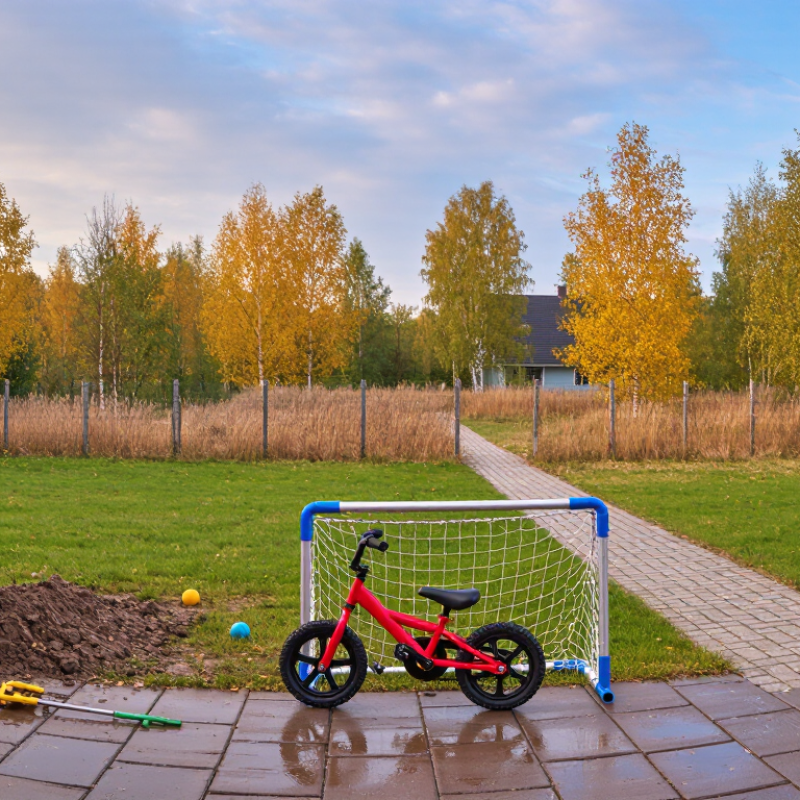
The best choices should invite movement without depending on perfect weather. Think of balance bikes on paved paths, adjustable sports goals in the backyard, and sturdy digging tools for damp soil. Some toys can move indoors during storms, which adds genuine value for families with limited outdoor space. Materials matter too. Weather-resistant plastic, sealed wood, and rust-resistant metal usually handle repeated exposure better than fragile finishes. Always check age guidance, weight limits, small parts, and surface conditions before play.

Real-world testing can reveal details that product descriptions miss. Wheels may collect mud. Handles can become slippery. A ball might feel too hard in cold weather. These small issues affect comfort and safety. I would not call one toy perfect for every child or climate. That would be unrealistic. Children differ in strength, attention, and interests. Still, the seven options ahead offer flexible play across sunny afternoons, cool autumn days, and light winter conditions. Parents should inspect toys regularly and store them properly when severe weather arrives. A quick wipe, tightened screw, or dry storage space can extend a toy’s useful life. The goal is simple: more active play, fewer disappointing purchases, and equipment that earns its place outdoors.
7 Best Outdoor Toys for All Seasons?

What Makes an Outdoor Toy Suitable for Every Season

7 Best Outdoor Toys for All Seasons

What Makes an Outdoor Toy Suitable for Every Season

A truly all-season outdoor toy must survive changing weather, not just occasional sunshine. The Outdoor Industry Association’s 2024 report recorded 175.8 million U.S. outdoor participants in 2023, showing strong demand for active outdoor experiences. However, participation does not guarantee good toy design.

The most adaptable choices include balls, balance bikes, scooters, skipping ropes, kites, sand tools, and water-play sets. Look for smooth surfaces, strong joints, drainage holes, and materials that resist moisture and sunlight. A ball can roll across grass in spring, packed snow in winter, or a patio in summer. A balance bike still works indoors during rain, if the space is safe. Small details matter.

Safety matters more than novelty.

The CDC recommends at least 60 minutes of daily physical activity for children aged 6 to 17. Outdoor toys should support movement without demanding perfect weather. Adjustable equipment can grow with a child, while lightweight designs make storage easier. Water toys need careful drying, and metal parts should be checked for rust after wet use. I once underestimated how quickly cold weather stiffens plastic components. That mistake changed my buying checklist. Families should also inspect toys regularly, because “all-season” never means maintenance-free.:VEVENT

Seven Outdoor Toys for Active Year-Round Play

7 Best Outdoor Toys for All Seasons?

Seven Outdoor Toys for Active Year-Round Play

Active play does not need perfect weather. The Outdoor Industry Association’s 2024 Outdoor Participation Trends Report recorded 175.8 million American participants in 2023. That interest can begin with seven simple outdoor toys: a football, jump rope, flying disc, sidewalk chalk, balance stones, a scooter, and a water table. Each supports movement, coordination, or creative play. A ball works on frosty grass. Chalk suits dry spring paths. A water table becomes a winter sensory bin when used indoors.

The World Health Organization reports that 81% of adolescents do not get enough physical activity. Small, repeatable play matters. Ten minutes of jumping can become a race, then a family challenge. I have found that children often ignore expensive-looking equipment after a week. Simple toys invite more invention, though supervision remains essential. Check handles, ropes, wheels, and plastic edges before every season. Follow age guidance and use helmets for wheeled toys. CPSC safety guidance also recommends removing damaged toys promptly.

Tips: Store toys in a ventilated bin. Rotate two items weekly. Use bright chalk on shaded pavement. Avoid wet surfaces near scooters. Keep water play shallow. Adults should model the activity, not only give instructions. Some plans will fail. That is useful feedback. A quiet child may prefer balance stones over competitive games, while another needs a friend nearby. Adjust the toy, distance, or rule. Weather changes the experience, and that is part of year-round play.

7 Best Outdoor Toys for All Seasons

The chart compares seven common outdoor toy categories by the number of seasons in which they are typically suitable for active play. Scores reflect normal use in temperate climates, with safe weather and appropriate supervision.

How Each Toy Supports Different Ages and Skills

7 Best Outdoor Toys for All Seasons?

How Each Toy Supports Different Ages and Skills

A soft ball suits toddlers learning to roll, throw, and track movement. Older children can use it for kicking, catching, and cooperative games. A balance bike builds steering and confidence before pedaling begins. A scooter later strengthens coordination, braking, and spatial judgment. Jump ropes add rhythm, timing, and cardiovascular effort. They also expose uneven progress. Some children master ten jumps quickly; others need weeks.

A digging set supports hand strength, sensory exploration, and early problem-solving. In colder months, children can use it with snow or indoor-safe sensory materials. Kites develop visual tracking and patience, though calm weather matters. A water table encourages pouring, measuring, and social play during warm seasons. The World Health Organization recommends at least 60 minutes of moderate-to-vigorous activity daily for children aged 5–17. These toys can help, but they cannot replace free movement or adult interaction.

Age labels still need judgment. A cautious four-year-old may reject a balance bike, and that is useful feedback, not failure. Choose large parts for younger children and inspect equipment regularly. The U.S. Consumer Product Safety Commission reported about 145,500 toy-related emergency department injuries among children aged 14 and younger in 2022. Helmets, clear boundaries, and weather-appropriate clothing matter. A toy should challenge a child without creating unnecessary risk. I would also rotate choices, because novelty often restores attention better than buying more equipment.

7 Best Outdoor Toys for All Seasons? - How Each Toy Supports Different Ages and Skills

Outdoor Toy Best Age Range Suitable Seasons Key Physical Skills Cognitive and Social Skills Recommended Outdoor Setting Weather and Safety Considerations
Balance Bike 2–5 years Spring, Summer, Autumn
Winter on dry, cleared paths
Develops balance, steering, bilateral coordination, posture, and lower-body control. Builds confidence, route awareness, decision-making, and independence. Flat paved paths, quiet playground areas, and smooth hard-packed trails. Use a properly fitted helmet. Avoid wet leaves, ice, steep slopes, and traffic areas. Check tires, grips, and frame regularly.
Adjustable Outdoor Climbing Dome 3–8 years All seasons Strengthens grip, arms, shoulders, core, leg muscles, and whole-body coordination. Encourages planning, persistence, spatial awareness, and cooperative play. Level ground with a clear fall zone and impact-absorbing surface. Adult supervision is important. Keep the structure dry and free from ice. Inspect joints and anchors, and follow the manufacturer’s height and weight limits.
Scooter 3–10 years Spring, Summer, Autumn
Winter on dry surfaces
Improves balance, leg strength, steering, reaction time, and dynamic coordination. Supports risk assessment, self-regulation, navigation, and turn-taking. Smooth sidewalks, skate areas designed for children, and traffic-free paths. Wear a helmet, knee pads, and elbow pads. Avoid roads, loose gravel, standing water, and steep hills. Inspect wheels, brakes, and folding parts.
Flying Disc 5–12 years Spring, Summer, Autumn Develops throwing technique, catching, hand-eye coordination, agility, and tracking skills. Teaches timing, communication, cooperation, spatial judgment, and simple game rules. Open grassy fields, beaches, and parks away from roads, trees, and fragile areas. Choose a soft, flexible disc for younger children. Keep play away from faces, animals, cyclists, and crowded walkways. Do not play during thunderstorms.
Garden Water-Play Set 2–7 years Late spring, Summer, Early autumn Supports pouring, scooping, grasping, fine-motor control, and hand-eye coordination. Introduces cause and effect, early measurement, sensory exploration, language, and cooperative play. Shaded garden areas, patios, and outdoor play tables on a stable surface. Use only with close supervision. Keep water shallow, empty containers after use, and prevent slippery surfaces. Avoid stagnant water and very hot weather exposure.
Outdoor Sand and Digging Tools 2–8 years All seasons
With dry, suitable sand or soil
Strengthens hands and wrists while improving scooping, carrying, digging, and fine-motor precision. Encourages pretend play, planning, problem-solving, vocabulary, and collaboration. Sandboxes, garden soil areas, and designated digging zones. Use tools with rounded edges and durable handles. Check sand or soil for sharp objects, animal waste, and excessive dust. Wash hands after play and avoid placing tools in mouths.
Beginner Sports Ball Set 3–12 years All seasons
On dry, safe surfaces
Builds kicking, rolling, throwing, catching, foot-eye coordination, balance, and agility. Develops attention, counting, rule-following, teamwork, and emotional control during games. Lawns, driveways, indoor-outdoor courts, and open play areas with safe boundaries. Use a softer, appropriately sized ball for younger children. Keep play away from windows and roads. Stop during lightning, extreme heat, or icy conditions.

Seasonal Safety and Weather-Ready Storage Tips

7 Best Outdoor Toys for All Seasons?

Outdoor toys can stay useful through spring rain, summer heat, autumn leaves, and light winter conditions. Good choices include scooters, balls, sand tools, climbing equipment, chalk, water toys, and ride-on vehicles. However, seasonal safety matters more than the toy count. Inspect wheels, handles, fasteners, and plastic surfaces before every use. Look for sharp edges, loose parts, cracks, or fading caused by sunlight. Wet grass can make climbing equipment and ride-on toys surprisingly slippery.

Tips: Dry toys before storage. Use ventilated bins, not sealed containers for damp items. Keep water toys upside down so rainwater drains fully. Store lightweight toys away from strong wind. Move plastic toys into shade during extreme heat. In freezing weather, bring water-filled items indoors to prevent cracking. Keep small parts separate from younger children.

I once stored a foam toy while it was still damp. Mold appeared within days. That mistake changed my storage routine. Now I wipe surfaces, check hidden seams, and wait until everything feels completely dry. It takes extra time, but it reduces odors and material damage. A covered storage area helps, though it does not replace inspections.

After storms, check for standing water, fallen branches, and unstable ground before reopening the play space. Follow the toy’s safety instructions, since age limits and surface requirements can differ. Some weather claims sound convincing, but local conditions still deserve careful judgment.

Choosing the Best Outdoor Toy for Your Family

Choosing the best outdoor toy for your family starts with observing how your children actually play. A large garden does not guarantee daily outdoor use. Space, age, strength, and local weather matter more. In my experience, a balance bike suits active preschoolers, while a soft ball works across several ages. A scooter can build coordination on smooth paths. Keep it simple.

Seven reliable choices include a balance bike, scooter, soft ball, sandbox, water table, gardening set, and climbing frame. Each offers a different kind of movement or discovery.

A sandbox encourages quiet, imaginative play. A water table feels exciting during warm months, but it needs careful supervision and regular cleaning. Small gardening tools can turn a dull afternoon into a hands-on lesson about soil, seeds, and patience.

Check construction before buying. Rounded edges, stable bases, secure fasteners, and washable surfaces reduce common risks. Choose toys that match your storage space and your child’s current ability, not an ideal future version. I once chose a climbing toy that looked impressive, yet it occupied too much room and was rarely used. That mistake changed my approach. Now I measure the play area, read the safety guidance, and ask whether adults can supervise comfortably. Outdoor toys also need seasonal care. Bring fabric indoors, drain water containers, and inspect wooden parts after heavy rain. Safety is never decorative.

FAQS

Which outdoor toys support active play throughout the year?

Useful choices include balls, jump ropes, flying discs, chalk, balance stones, scooters, and water tables. Simple toys often inspire longer play.

Can children play outdoors when the weather changes?

Yes, if surfaces and clothing are suitable. Balls work on frosty grass, while chalk needs dry pavement. Avoid scooters on wet ground.

How can a water table remain useful during colder months?

Use it indoors as a shallow sensory bin with safe materials. Keep the area dry and supervise closely. It may become messy.

Which toys help younger children develop coordination?

Soft balls support rolling, throwing, catching, and tracking. Balance bikes build steering confidence before pedaling. A cautious child may need more time.

How can jump ropes support physical development?

Jump ropes develop rhythm, timing, coordination, and cardiovascular effort. Start with short sessions, such as ten jumps. Progress varies widely.

What safety checks should adults complete before play?

Inspect handles, ropes, wheels, plastic edges, and fasteners. Remove damaged toys immediately. Use helmets with wheeled toys and keep clear boundaries.

How can adults keep children interested without buying more toys?

Rotate two toys each week and change the rules or distance. Invite races, drawing challenges, or cooperative games. Some plans will fail.

How should adults choose toys for different children?

Match the toy with confidence, ability, and personal interest. One child may prefer balance stones over competition. Another may play better with a nearby friend.

Conclusion

Choosing the right outdoor toy for every season means looking for durability, adaptability, and opportunities for active play in different weather conditions. The best options can be used in a garden, yard, park, or indoor-outdoor space, helping children stay engaged through sunny days, cool afternoons, and light seasonal changes. If you are wondering what outdoor toys are suitable for all seasons, consider versatile choices such as balance equipment, ride-on toys, construction sets, ball games, climbing activities, flying toys, and water-free sensory play tools. These options can support movement, coordination, creativity, problem-solving, and social development for a range of ages and skill levels.

Seasonal safety is equally important. Adults should check toys regularly for cracks, loose parts, slippery surfaces, or weather damage, and children should use age-appropriate equipment with suitable supervision. Store toys in a dry, shaded area when they are not in use, and protect them from prolonged rain, frost, and strong sunlight. By considering space, children’s interests, maintenance needs, and year-round versatility, families can choose outdoor toys that encourage healthy, enjoyable play in every season.

Sienna

Sienna

Sienna is a skilled marketing professional with a deep expertise in our company’s core products and services. With a passion for innovation and detail, she plays a pivotal role in crafting insightful blog posts that not only highlight the unique features of our offerings but also provide valuable......