Outdoor play is changing. Families increasingly want toys that entertain children without demanding constant adult direction. This guide explores how can outdoor toys encourage independent play, especially in 2026’s smaller gardens, shared yards, and neighborhood spaces. The best choices invite children to invent games, test movement, and solve small problems alone.
Developmental psychologist Peter Gray describes play as “self-directed and intrinsically motivated.” That principle matters when choosing outdoor equipment. A balance board can become a bridge, a surfboard, or a spaceship. Loose construction pieces can form a den beside the patio. A child may spend twenty minutes adjusting one wooden plank, then proudly cross it without help. These moments build persistence, coordination, and practical judgment.
Independent play does not mean unsupervised play. Adults still need to check surfaces, weather, age guidance, and equipment stability. Start nearby, then gradually step back. That transition can feel uncomfortable. It is also where confidence grows. A toy with too many lights, sounds, or fixed instructions may hold attention briefly, but it can limit imagination. Simpler equipment often offers more possibilities.
Our 2026 selections consider durability, repairability, accessibility, and real family use. We look for toys that survive damp grass, repeated climbing, and inevitable frustration. Some products will not suit every child or outdoor space. That is worth admitting. The right choice depends on temperament, motor skills, available room, and how much freedom a family can safely provide. The goal is not perfect independent play. It is a believable path toward it.
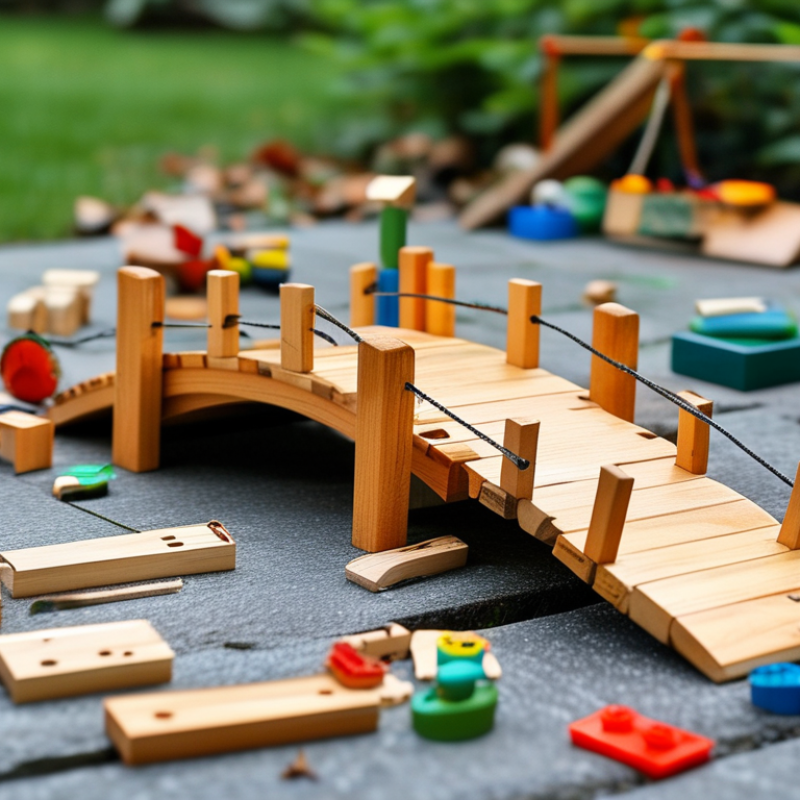
Outdoor toys support independent play when children can start, adjust, and stop an activity with limited adult direction. A balance bike, digging set, water table, or climbing structure can build coordination, planning, and risk awareness. Independent does not mean unsupervised. Adults still check surfaces, weather, equipment, and age suitability.
Age ranges should guide, not label a child. Ages 2–3 suit large, simple equipment with no small detachable parts. Ages 3–5 can manage pouring, scooping, pushing, and short climbing routes.
Ages 5–8 often handle simple rules, targets, pedals, and cooperative challenges. Children aged 8 and above may use more complex gear, but judgment still varies.
The U.S. Consumer Product Safety Commission’s Age Determination Guidelines recommend matching toys with developmental abilities, not age alone.
The World Health Organization recommends at least 180 minutes of daily physical activity for children aged 3–4. At least 60 minutes should be moderate to vigorous. For ages 5–17, the recommendation is an average of 60 active minutes daily, according to its 2020 guidelines.
Circana reported a 7% decline in global toy sales across 12 markets in 2023, increasing pressure to choose toys with lasting play value. In practice, a toy may look versatile yet become boring after ten minutes. I still underestimate that detail. Open-ended materials, visible storage, and a safe patch of grass often encourage longer play than complicated features.
Choosing an outdoor toy should begin with movement, not novelty. The WHO’s 2020 Guidelines recommend at least 60 minutes of moderate-to-vigorous activity daily for children aged 5–17. This is a daily average, not a strict test for one afternoon. Still, it offers a useful filter for active outdoor toys. A climbing frame, balance path, or ball game can create repeated movement without adult direction. Short bursts count.
Look for toys that invite walking, carrying, throwing, jumping, and balancing. These actions can raise intensity while preserving independent choice. The Outdoor Foundation’s 2024 Outdoor Participation Trends Report recorded 175.8 million Americans participating in outdoor recreation in 2023. Participation is broad, but access does not guarantee meaningful activity. A toy that stays in the box has no health value.
I would not pretend that every child will reach 60 minutes through play alone. Weather, space, confidence, and supervision all matter. The best choice may be simple: a soft ball, low stepping stones, or a sturdy scooter route. Adults should check surfaces, stability, and age guidance before leaving children to explore. Independent play still needs a safe boundary. WHO also emphasizes reducing sedentary time, so avoid toys that turn outdoor play into prolonged sitting. “More exciting” is not always more active. Test the toy in real conditions, then revise the choice.
2026 Best Outdoor Toys for Independent Play?
CPSC injury data should guide toy selection, not frighten families. Recent reports repeatedly identify falls, collisions, and tip-overs among common child injury patterns. Independent play works best when the toy matches a child’s age, size, coordination, and play space. A low balance toy on level grass may encourage movement safely. A tall climbing structure needs more careful placement and active supervision.
ASTM F963-23 offers a practical safety filter. In the United States, its requirements address hazards such as accessible sharp points, small parts, magnets, lead, and certain mechanical risks. Look for smooth edges, secure fasteners, stable bases, and materials that tolerate outdoor use. Check weight limits every time. Sand and water toys also need clean drainage, since stagnant water creates avoidable hygiene concerns.
I recommend inspecting outdoor toys before each season. Shake the frame. Test the seat. Watch for cracks, loose ropes, and sun-damaged plastic. Keep the play zone clear of concrete, pools, and hard obstacles. Protective equipment may reduce harm during wheeled play, although it cannot replace supervision. I once considered “independent” play a reason to step away completely. That assumption was too simple. Children need freedom, but adults still need to notice changing risks. CPSC data is useful evidence, yet it cannot predict every home, child, or weather condition.
2026 Best Outdoor Toys for Independent Play?
Comparing 2026 Toy Types: Physical, STEM, Nature, and Open-Ended Play
The best outdoor toy supports choice, movement, and small discoveries without constant adult direction. Physical toys, such as balance paths, soft balls, and climbing elements, build coordination through repetition. The World Health Organization recommends at least 60 minutes of moderate-to-vigorous activity daily for children aged five to seventeen. Outdoor play makes that target feel less like exercise.
STEM toys add questions to the garden. Water channels, pulleys, measuring cups, and simple weather tools encourage testing and adjustment. Nature toys, including bug viewers, seed trays, and binoculars, help children notice patterns in soil, leaves, and insects. The Outdoor Foundation’s 2024 Outdoor Participation Trends Report recorded 175.8 million U.S. participants aged six and older in 2023. That figure suggests outdoor access remains valuable, though participation alone does not guarantee meaningful play. Open-ended materials often work hardest. Loose parts, fabric, chalk, and sticks can become roads, shelters, or imaginary shops. I still overestimate how many accessories children need.
Tips: Choose one physical toy, one discovery tool, and a small basket of loose parts. Keep instructions brief. Independent does not mean unattended. Check for sharp edges, stable surfaces, heat, and choking risks. The American Academy of Pediatrics links unstructured play with creativity and self-regulation, but children need time before the play becomes interesting. A quiet yard may look unproductive at first. That may be the point.
| Toy Type | Typical Examples | Suitable Starting Age* | Primary Development Benefits | Independent-Play Potential | Outdoor Space Needed | Adult Setup | Safety Considerations | Best For |
|---|---|---|---|---|---|---|---|---|
| Physical Play | Balance beams, stepping stones, jump ropes, balls, ride-on toys, and simple climbing equipment | Approximately 2–6 years, depending on the equipment and the child’s motor skills | Gross-motor coordination, balance, strength, spatial awareness, and physical confidence | ★★★★☆ High after basic rules and movement patterns are learned |
Small to large area; clear, level ground is preferred | Low to moderate; equipment should be assembled, checked, and positioned safely | Use age-appropriate equipment, stable surfaces, protective spacing, and close supervision around climbing or fast-moving equipment | Active children who enjoy movement and short, repeatable challenges |
| STEM Play | Outdoor measuring tools, pulley sets, water channels, simple building pieces, ramps, and beginner robotics kits designed for outdoor use | Approximately 4–10 years, with complexity adjusted to the child | Problem-solving, early engineering, measurement, prediction, cause-and-effect reasoning, and persistence | ★★★★☆ High when the activity has multiple solutions |
Small to medium area with a stable work surface | Moderate; materials may need sorting, explaining, or occasional resetting | Check for small parts, secure loose components, avoid electrical items near water, and follow age guidance | Children who enjoy testing ideas, constructing, and finding solutions |
| Nature Play | Bug viewers, magnifying glasses, child-safe gardening tools, seed-starting trays, weather journals, and collection baskets | Approximately 3–10 years, with supervision and tools matched to age | Observation, scientific curiosity, vocabulary, patience, environmental awareness, and sensory learning | ★★★★★ Very high because nature provides changing materials and questions |
Any outdoor area with access to plants, soil, leaves, stones, or weather changes | Low; adults may prepare a safe area and offer optional prompts | Wash hands after outdoor exploration, avoid unknown plants and animals, and supervise near water or unsafe terrain | Curious children who prefer exploring, collecting, noticing, and asking questions |
| Open-Ended Play | Loose parts, cardboard tubes, fabric pieces, buckets, crates, planks, sand tools, and large natural materials | Approximately 3–10 years; younger children need larger, simpler pieces | Creativity, planning, flexible thinking, communication, self-direction, and imaginative storytelling | ★★★★★ Very high because there is no single correct outcome |
Small to large area, depending on the size of the child’s project | Low to moderate; adults should inspect materials and define safe boundaries | Remove sharp edges, choking hazards, unstable structures, toxic materials, and items that can trap fingers or limbs | Children who like inventing games, building forts, and changing play ideas |
| Water and Sand Play | Water tables, sand trays, funnels, scoops, sieves, containers, channels, and simple pouring tools | Approximately 2–8 years, with direct supervision around water | Fine-motor control, sensory regulation, early mathematics, volume concepts, and cooperative play | ★★★★☆ High once materials and boundaries are familiar |
Small area with a washable surface and access to water or sand | Moderate; adults provide materials, manage spills, and maintain hygiene | Never leave young children unattended near water; keep play water shallow, prevent slipping, and cover or replace wet materials as needed | Children who enjoy sensory experiences, repetition, pouring, and experimenting |
| Creative Outdoor Play | Chalk, washable paint, outdoor easels, washable markers, weaving frames, and nature-printing materials | Approximately 3–10 years, depending on materials and tool control | Self-expression, hand control, visual planning, communication, and creative confidence | ★★★★☆ High when children choose the subject and process |
Small to medium area with a protected work surface | Low; materials need to be prepared and cleaned after use | Use non-toxic, washable materials, protect eyes and clothing, and keep art supplies away from food and sensitive plants | Children who enjoy drawing, making, decorating, and documenting outdoor discoveries |
For independent outdoor play, buying decisions should begin with measurable limits, not excitement. I measure available space, including a clear fall zone around climbing equipment. A small yard may suit a balance path, digging tray, or adjustable target. Record the footprint in centimeters. Then compare it with storage space and daily setup time. If setup takes ten minutes, children may use the toy less often. My observations are practical, not universal. Temperament and age can change the result.
Durability deserves evidence. Check weather-resistant materials, rounded edges, drainage holes, and stable joints. Inspect screws and connectors after several uses, not only on delivery day. Cost should reflect expected use, repair needs, and storage requirements. A cheaper toy is not better if it breaks after one season. For skill growth, identify the action involved: balancing, aiming, lifting, sorting, or planning. Open-ended challenges usually support longer play than toys with one fixed result. I sometimes overestimate novelty. Children may prefer a simple object they can control.
Tips: Measure twice. Test stability. Watch from a safe distance. Choose adjustable difficulty. Keep a brief use log for two weeks. Note whether the child repeats actions, invents variations, or abandons the toy quickly. That small record can challenge assumptions before the next purchase.
It should allow movement, choice, and small discoveries without constant adult direction. Independent does not mean unattended. Keep safety checks nearby.
Balance paths, soft balls, and climbing elements encourage repeated movement. Children can practice balancing, aiming, lifting, and climbing. Simple repetition matters.
Water channels, pulleys, measuring cups, and weather tools invite testing. Children can change one part and observe the result. Expect messy experiments.
Bug viewers, seed trays, and binoculars draw attention to insects, soil, leaves, and changing patterns. A quiet garden can become a detailed observation area.
They often support longer play because children decide their purpose. Fabric, chalk, sticks, and loose parts can become roads or shelters. I may overestimate accessories.
Children aged five to seventeen are commonly advised to get about sixty minutes of daily moderate-to-vigorous activity. Outdoor play can make movement feel less like exercise.
Measure the footprint in centimeters, including a clear fall zone. Balance paths, digging trays, and adjustable targets may fit better. Measure twice.
Check sharp edges, stable surfaces, heat exposure, drainage holes, choking risks, screws, and connectors. Inspect toys after repeated use, not only after delivery.
Compare expected use, repair needs, storage space, and durability. Keep a brief two-week use log. My assumptions may still be wrong.
Choosing the best outdoor toys for independent play in 2026 begins with understanding children’s ages, developmental needs, and available space. The strongest options invite children to move, explore, build, solve problems, or create their own games without constant adult direction. A useful question is: how can outdoor toys encourage independent play? Toys can support confidence and decision-making when they offer open-ended challenges, manageable risks, and opportunities for skill growth. Physical toys can promote active movement, while STEM, nature-based, and imaginative play items encourage observation, experimentation, and creativity.
A practical buying framework should consider the WHO benchmark of at least 60 minutes of daily activity, along with durability, storage, cost, and long-term usefulness. Parents should also review injury-prevention guidance from the CPSC and look for products designed around ASTM F963-23 safety requirements. By comparing space needs, materials, maintenance, and age suitability, families can select outdoor toys that balance enjoyment, safety, physical development, and growing independence.

ProActive Toys