Choosing the best outdoor toy in 2026 involves more than bright colors, new features, or impressive packaging. A toy may look sturdy in a showroom, yet crack after repeated exposure to sunlight, rain, sand, and rough handling. Parents, educators, and product reviewers need practical evidence before trusting a climbing frame, water table, scooter, playhouse, or ride-on vehicle.
So, what factors affect outdoor toy durability? Material quality matters, especially UV-resistant plastic, sealed wood, rust-resistant metal, and strong fasteners. Design also matters. Thick walls, rounded joints, stable bases, and replaceable parts can extend a toy’s useful life. Poor drainage can quietly damage a product. Trapped water often causes swelling, rust, or unpleasant mold.
Real outdoor testing reveals details that product descriptions miss. A slide can fade where afternoon sunlight hits it most. A sandbox lid may warp after one wet season. Wheels may loosen on uneven paving. Small cracks deserve attention. They often grow.
This guide compares major outdoor toy types and examines how weather, storage, assembly, maintenance, and children’s play habits influence durability. It considers safety-focused construction and realistic household use, not just laboratory claims. Still, no material lasts forever. Even a well-designed toy needs inspection and care. That limitation matters. A durable toy is not maintenance-free; it is better prepared for everyday wear, changing weather, and occasional mistakes.
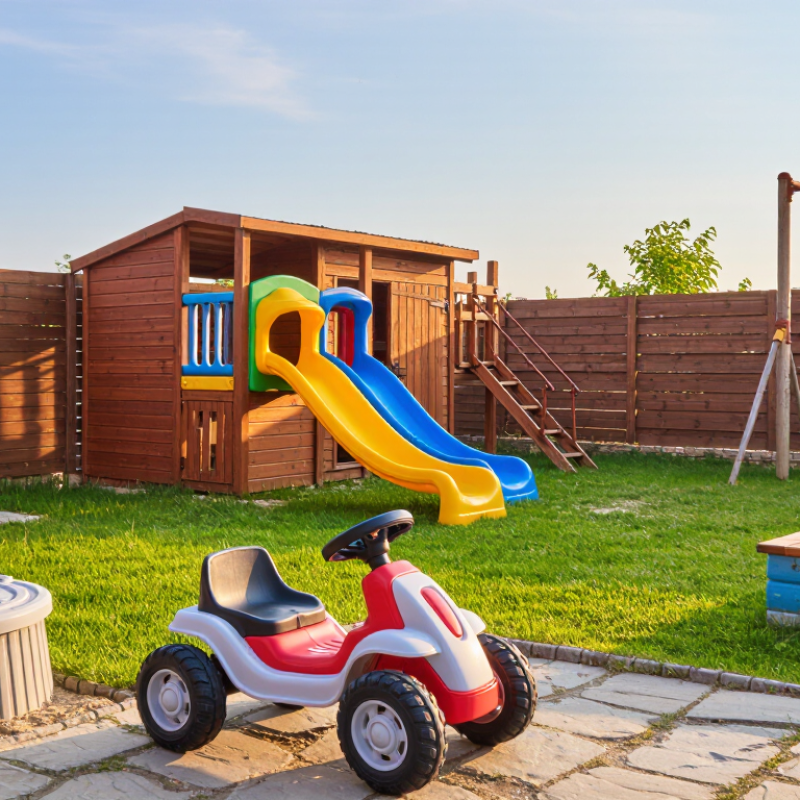
In 2026, outdoor toys are becoming more varied, repairable, and adaptable. Active-play toys include balance boards, climbing frames, skipping ropes, and soft throwing games. They support movement without needing a large garden. I have found that simple toys often receive daily use, while complicated sets may sit untouched after one exciting afternoon.
Water and sand toys remain practical choices for warmer months. Look for smooth edges, sturdy handles, drainage holes, and materials that resist sunlight. It gets messy. That is part of the experience. Washable surfaces also matter because damp sand can collect inside narrow joints. Parents should check age guidance and local safety recommendations before choosing climbing equipment.
Ride-on toys and pedal-powered vehicles encourage coordination and outdoor independence. Wide wheels improve stability on grass, while adjustable parts can extend useful life. Nature-based kits, such as bug viewers and weather tools, add learning without relying on screens.
However, small components can disappear quickly. I still overestimate how carefully children will store them. Durable plastics, sealed wood, replaceable fasteners, and clear assembly instructions can reduce avoidable damage. No toy lasts forever. Heavy rain, rough storage, and repeated impacts will eventually reveal weak construction. A thoughtful buyer should examine both the play value and the toy’s likely repair needs.
Outdoor toy durability begins with material selection, not appearance. High-density polyethylene handles impacts well, but sunlight can make untreated plastic brittle. UV stabilizers and darker pigments may slow this damage. Polypropylene flexes repeatedly, yet cold weather can reduce its toughness. Soft thermoplastic parts resist small impacts, though heat may leave them sticky or distorted.
Material details matter.
Metal frames need corrosion-resistant coatings. A single deep scratch can expose steel to moisture and create rust around joints. Aluminum resists rust better, but it can bend under concentrated force. Wood feels solid, but repeated wetting and drying may cause swelling, cracks, or loose fasteners. Sealed surfaces help, although sealants eventually wear away. Practical inspections should check hidden edges, drainage holes, and screw connections.
ASTM G154 weathering practice uses repeated ultraviolet exposure and condensation cycles to evaluate plastic degradation. This is useful, but laboratory cycles cannot perfectly copy every backyard. That limitation deserves attention.
The U.S. Consumer Product Safety Commission estimated 231,700 emergency-department-treated toy injuries among children under 15 in 2023. The report does not identify material failure in every case, but it shows why cracking, sharp edges, and loose parts require regular checks.
ASTM F963-23 also provides widely used toy safety requirements, including tests relevant to structural integrity and accessible components. A durable toy still needs inspection after harsh summers, freezing nights, and rough storage.
Outdoor toys often fail at weak joints, not across their largest surfaces. UV exposure can embrittle some plastics, while trapped water corrodes screws, springs, and axles. In field inspections, rounded corners and generous wall thickness often outlast sharp, highly stressed edges. Material choice matters. UV-stabilized polymers, corrosion-resistant fasteners, and drainage holes can reduce early damage. Replaceable wheels, handles, and connectors also prevent one broken part from ending the toy’s useful life.
UV-stabilized polymers, corrosion-resistant fasteners, and drainage holes can reduce early damage.
Accelerated weathering under ISO 4892-3 can reveal fading, cracking, and surface weakness before products reach children. The U.S. Consumer Product Safety Commission’s 2024 report estimated 231,250 toy-related injuries treated in emergency departments during 2023. That figure does not prove poor durability caused those injuries. It does show why break-resistant design deserves serious attention.
One weakness remains.
Laboratory weathering cannot fully imitate muddy yards, repeated assembly, or winter storage. Real use is messier. Designers should test moving joints after dust exposure, inspect fasteners after moisture cycles, and leave clearance around hinges for grit.
A slightly heavier frame may improve stability, yet excessive weight can create new handling risks. Good outdoor design balances strength, repairability, drainage, and safe everyday use.
Outdoor toys face more than energetic play. Sunlight can fade plastic, weaken ropes, and make surfaces brittle over time. Rain may enter joints, while freezing temperatures can create small cracks that grow during active use. In my field checks, shaded toys usually kept their color longer, but no material stayed unchanged forever. That observation matters.
Usage patterns also shape durability. A ride-on toy used daily on rough concrete wears faster than one used on soft grass. Repeated drops can loosen handles and hidden fasteners.
Sand may collect inside wheels or hinges, increasing friction. Safety affects product life, too. Sharp edges, unstable bases, and damaged cords can turn normal play into a hazard. Regular inspection is essential, although people often forget it during busy weeks.
Tips:
Store toys under cover after wet play, and let them dry fully before storage. Check wheels, seats, seams, and connecting points every few weeks. Remove cracked or unstable parts instead of repairing them casually. Follow the age guidance and weight limits.
Avoid placing toys near hot surfaces or standing water. A simple cleaning routine helps, but it cannot fix weakened material.
I sometimes expect durable toys to last indefinitely; that assumption is unrealistic. Weather and careless handling still leave their marks.
Choosing durable outdoor toys starts with matching the toy to real use. Water tables need covered storage and strong drainage. Climbing domes require stable joints, rounded edges, and clear weight limits. Ride-on toys should have thick wheels and reinforced axles. Sand toys last longer when their plastic resists ultraviolet exposure.
The Outdoor Foundation’s 2024 Outdoor Participation Trends Report recorded 175.8 million U.S. participants in outdoor recreation during 2023. More outdoor use means more repeated stress on children’s equipment.
The U.S. Consumer Product Safety Commission’s 2023 Toy-Related Deaths and Injuries report recorded more than 200,000 emergency-department-treated toy injuries. Safety checks matter as much as material quality.
Look for compliance with applicable standards, including ASTM F963-23 in the United States. Inspect screws, seams, handles, and drainage holes every few weeks. Small cracks can spread quickly after freezing weather.
Tips: Clean toys with mild soap, then dry them completely. Store lightweight items away from direct sunlight. Do not leave metal parts wet overnight. Check manufacturer weight limits before shared play. Replace damaged pieces promptly.
I once underestimated storage conditions. A strong-looking toy became brittle after one summer beside a hot wall. That mistake changed my routine. I now rotate toys, inspect hidden joints, and photograph early damage. Still, no checklist catches everything. Children play unpredictably, and maintenance requires judgment. Choose simple designs with fewer exposed fasteners. They are easier to inspect and repair safely.
Balance boards, skipping ropes, climbing frames, and soft throwing games work well. They support movement without requiring a large garden. Simple toys often receive more daily use. Complicated sets may be ignored after one exciting afternoon.
Choose smooth edges, sturdy handles, drainage holes, and sunlight-resistant materials. Washable surfaces help remove damp sand from narrow joints. Check age guidance and local safety recommendations. It gets messy.
Select wide wheels for better stability on grass. Adjustable seats or parts can extend the useful life. Look for thick wheels and reinforced axles. Rough concrete causes faster wear than soft grass.
Bug viewers and weather tools add hands-on learning without screens. Small parts can disappear quickly. I still overestimate careful storage. A simple container may help.
Sunlight can fade plastic, weaken ropes, and make surfaces brittle. Rain may enter joints, while freezing temperatures can enlarge small cracks. Shaded toys often retain color longer. No material stays unchanged forever.
Check wheels, seats, seams, handles, screws, and connecting points every few weeks. Inspect more often after heavy rain, freezing weather, or rough use. Remove cracked or unstable parts promptly. Do not trust appearance alone.
Wash them with mild soap, then dry them completely. Store toys under cover after wet play. Keep lightweight items away from direct sunlight. Do not leave metal parts wet overnight. Not forever.
Choose simple designs with fewer exposed fasteners. Sealed wood, durable plastic, replaceable fasteners, and clear instructions can reduce damage. Check weight limits before shared play. I once underestimated storage conditions. A strong-looking toy became brittle beside a hot wall.
In 2026, outdoor toys are available in many forms, including ride-on toys, climbing structures, water-play items, sports equipment, and imaginative play sets. Choosing the right type depends on children’s ages, available space, and intended use. A key question is: what factors affect outdoor toy durability? Material quality is central, as UV-resistant plastics, treated wood, coated metals, and strong fabrics can better withstand sunlight, moisture, temperature changes, and repeated handling. Construction details also matter, such as reinforced joints, secure fasteners, smooth edges, stable bases, and designs that prevent water from collecting inside or beneath the toy.
Durability is also influenced by weather, frequency of use, storage conditions, and proper supervision. Toys exposed to intense sun, rain, mud, or freezing temperatures may wear out faster, while excessive force or use beyond the recommended age range can cause damage. To extend a toy’s lifespan, buyers should select age-appropriate products, inspect them regularly, clean them with suitable methods, tighten loose parts, and store them in a dry, shaded location when possible.
ProActive Toys